
Tide & Table with The Shipwright's Daughter
There are places along the New England coast where the relationship between the water and the table still feels immediate. Mystic, Connecticut, is one of them.
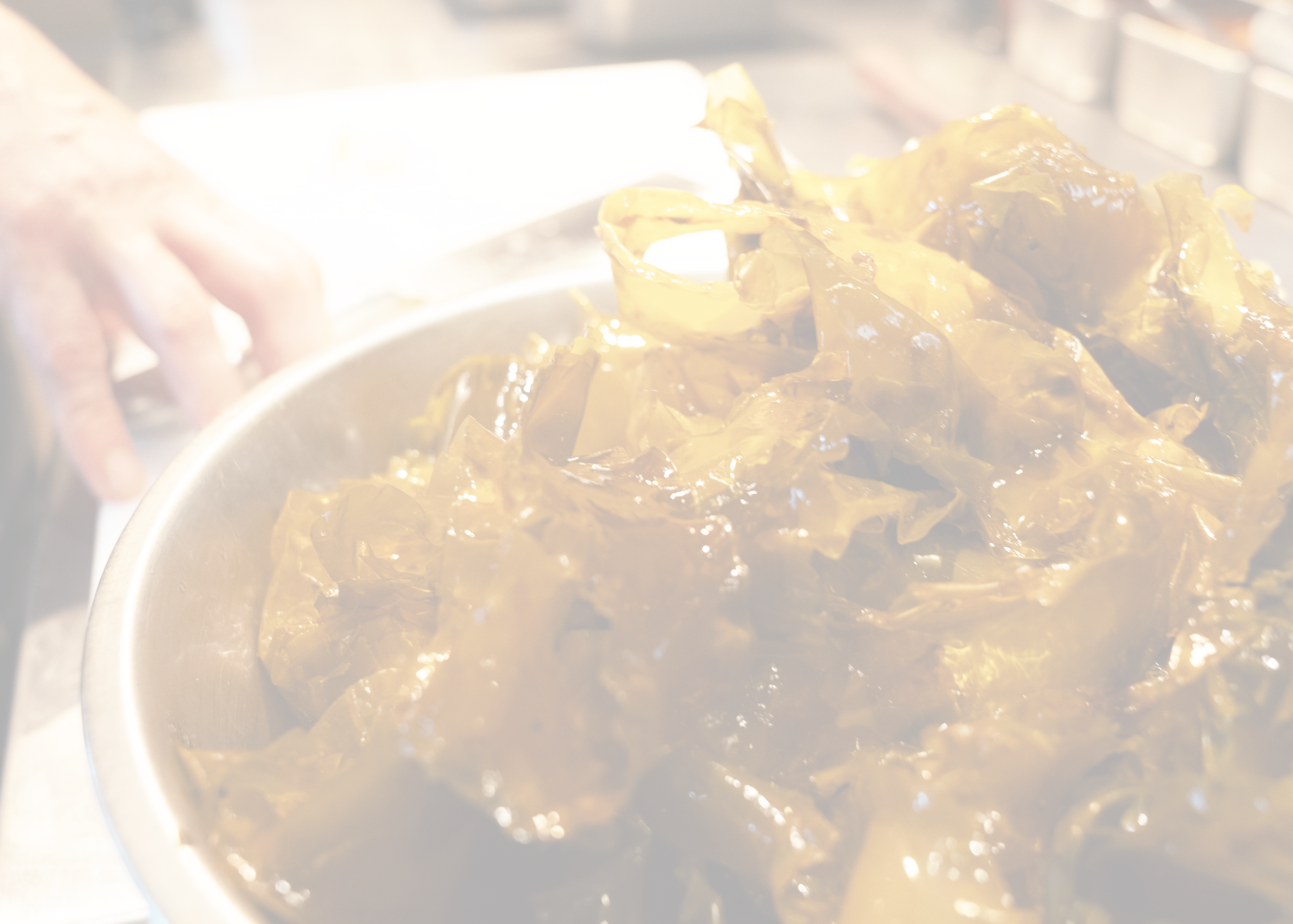
Fishing boats continue to work out of nearby Stonington. Oysters are raised in the cold, briny waters of southern New England. Kelp grows beneath the surface of Fishers Island Sound. And in the center of downtown Mystic, much of that local harvest finds its way into the kitchen at The Shipwright's Daughter.
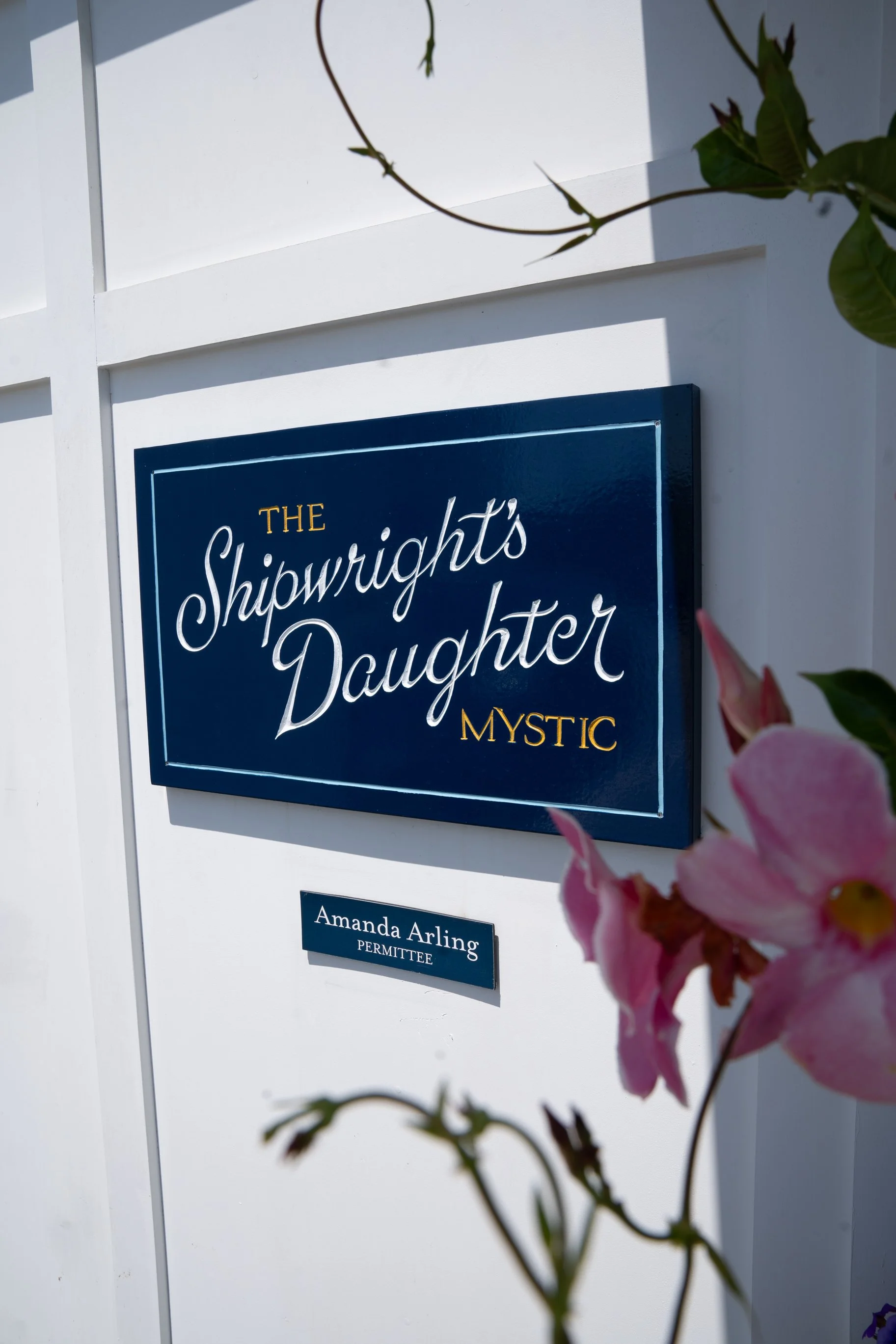
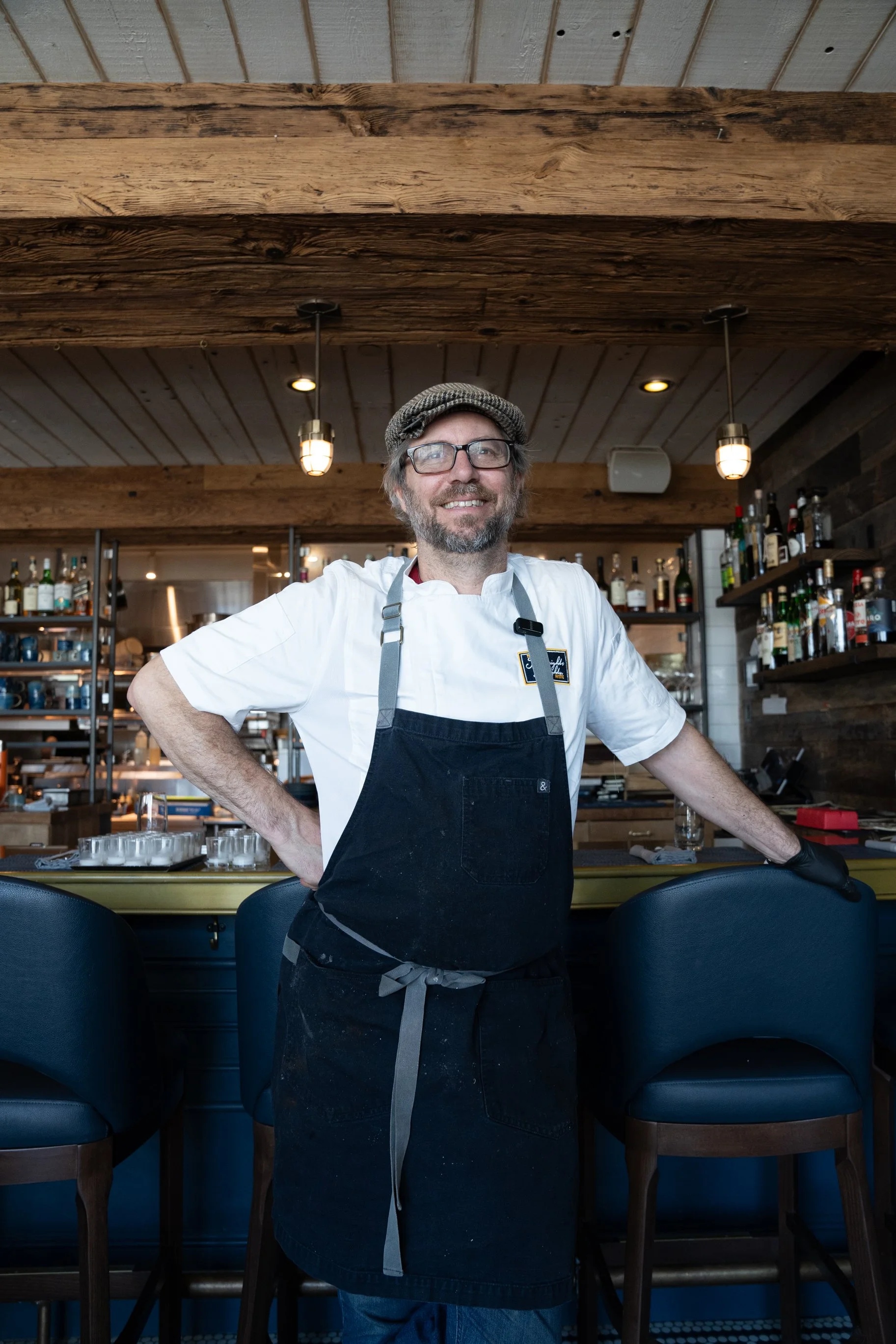
On a visit to Mystic, we spent time with Chef David Standridge and his wife Kathleen, following the ingredients on his menu beyond the dining room and back toward the fishermen, farmers, and waters that produced them.
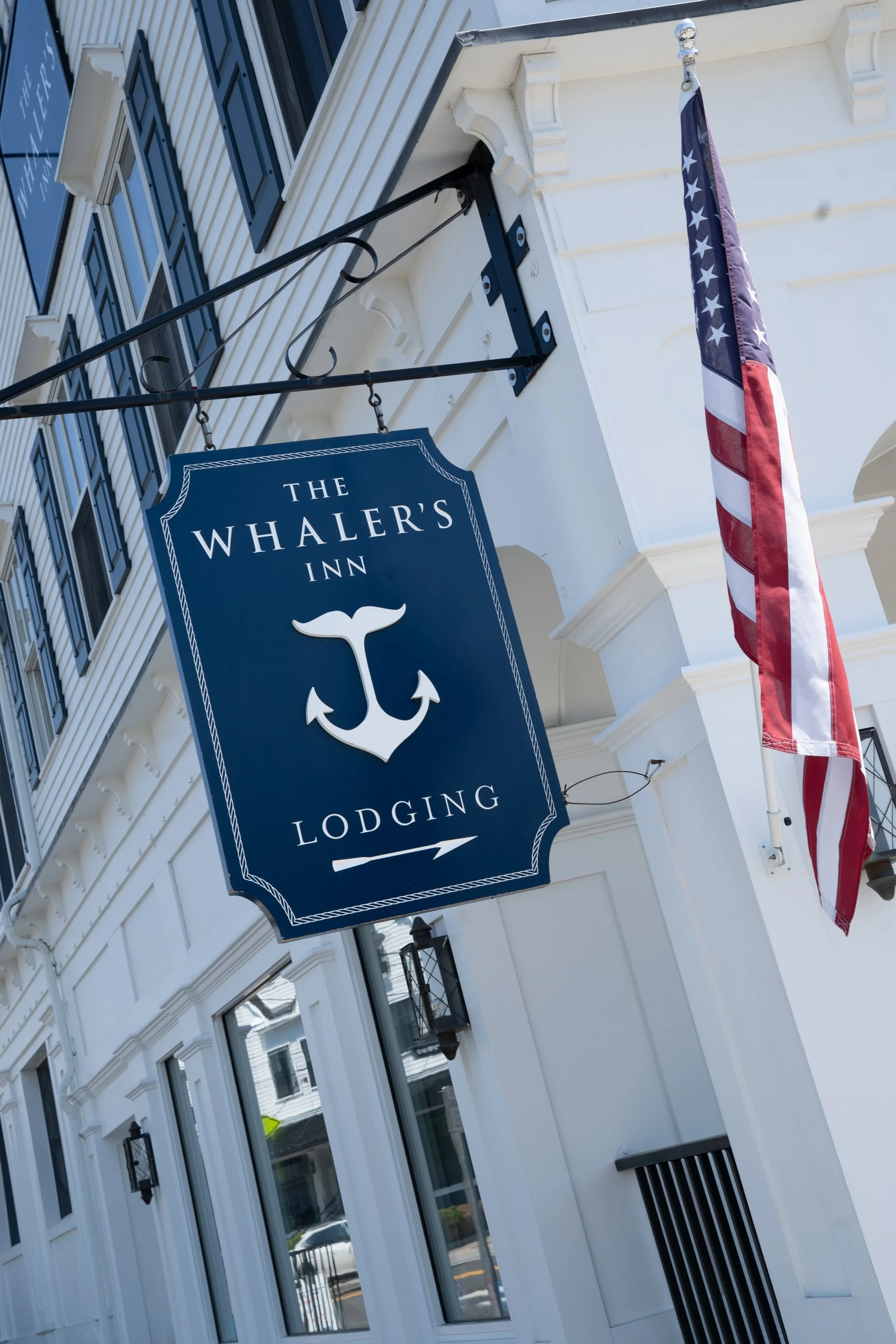
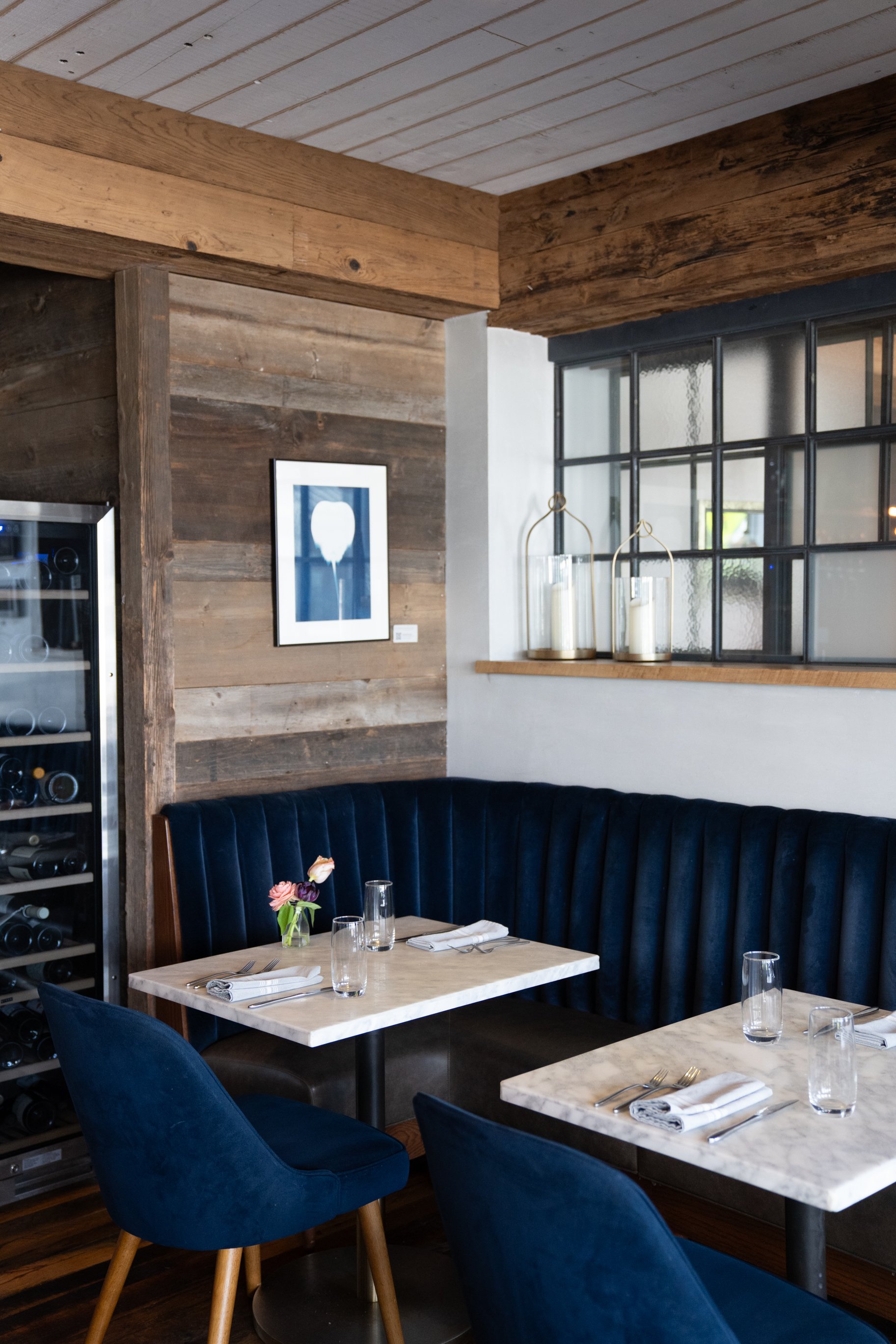
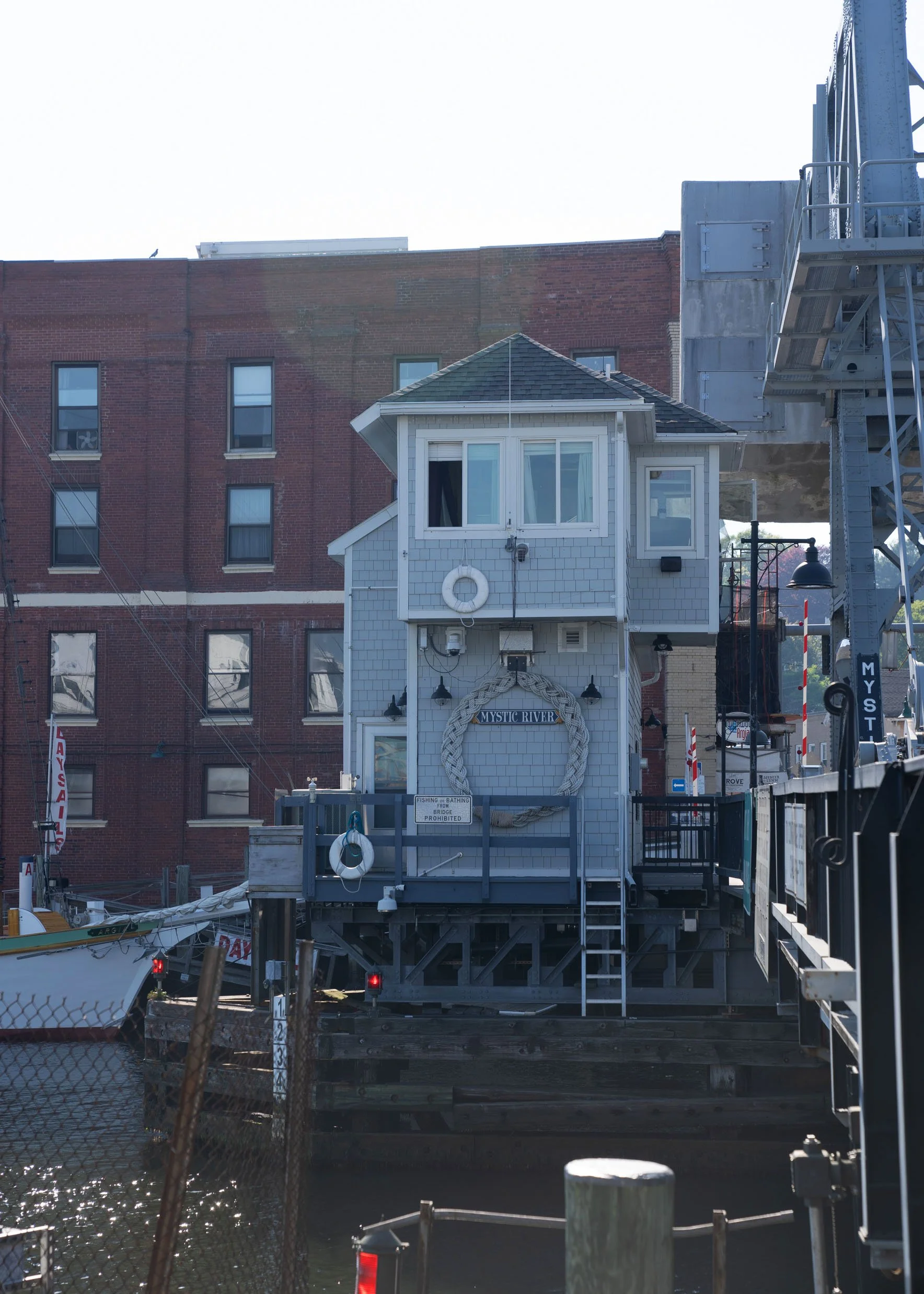
The Shipwright's Daughter sits inside The Whaler's Inn Hotel of Mystic, the historic inn at the foot of downtown Mystic, only steps from the river and its familiar drawbridge.
It is an appropriately maritime home for a restaurant whose identity is so closely connected to the surrounding coast. Standridge opened The Shipwright's Daughter in 2020 and has built its cooking around the seasons and working waterfront of southeastern New England.
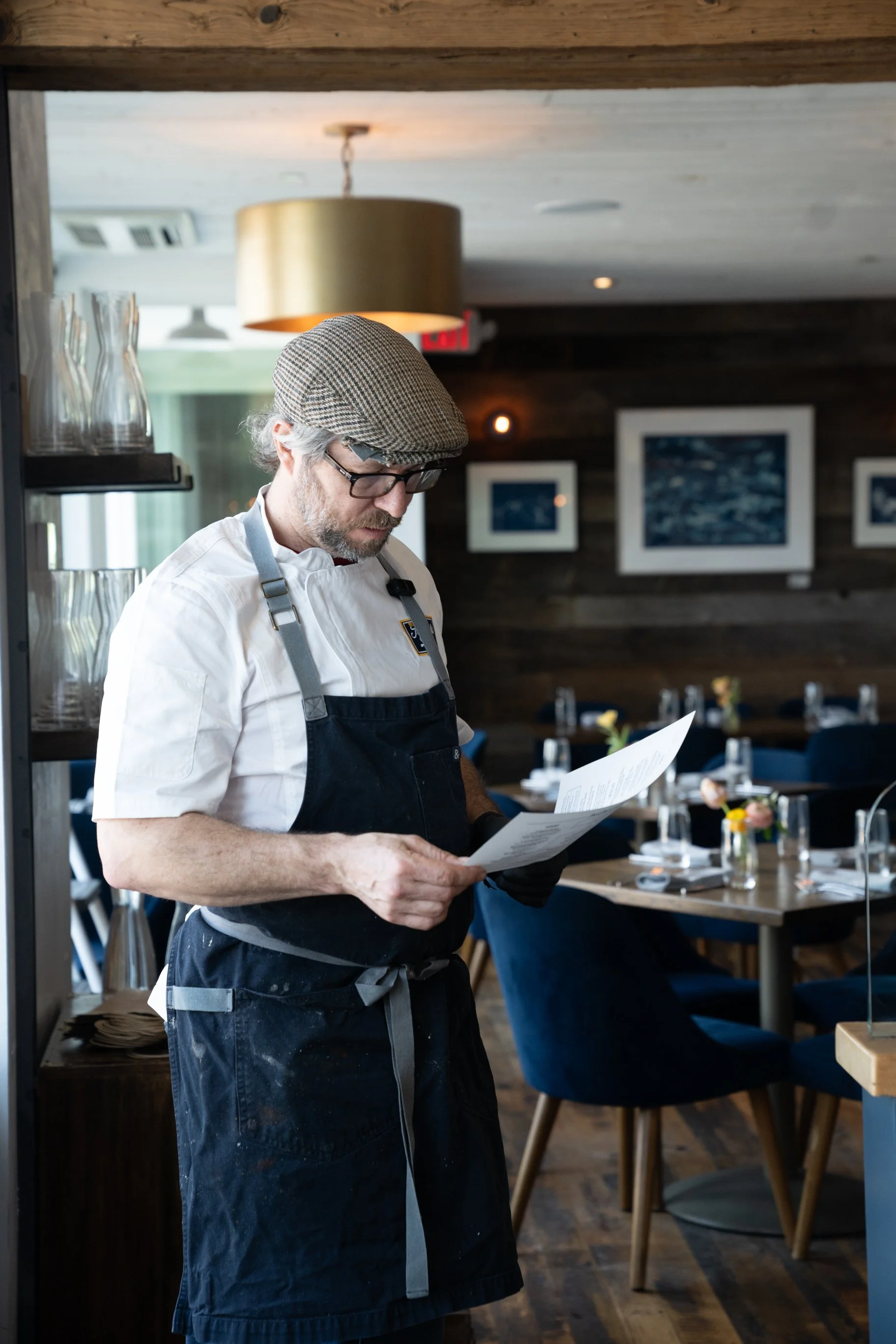
That philosophy has since earned national attention. In 2024, Chef David Standridge received the James Beard Award for Best Chef: Northeast, becoming Connecticut's first winner in the category in 18 years.
But spending time with David makes it clear that the recognition is only part of the story. His cooking begins with something considerably more elemental: knowing where dinner comes from.
The menu at The Shipwright's Daughter changes with what is coming from nearby farms and fisheries. Oysters, fluke, black sea bass, monkfish, kelp and even less celebrated species and bycatch can become the starting point for a dish.
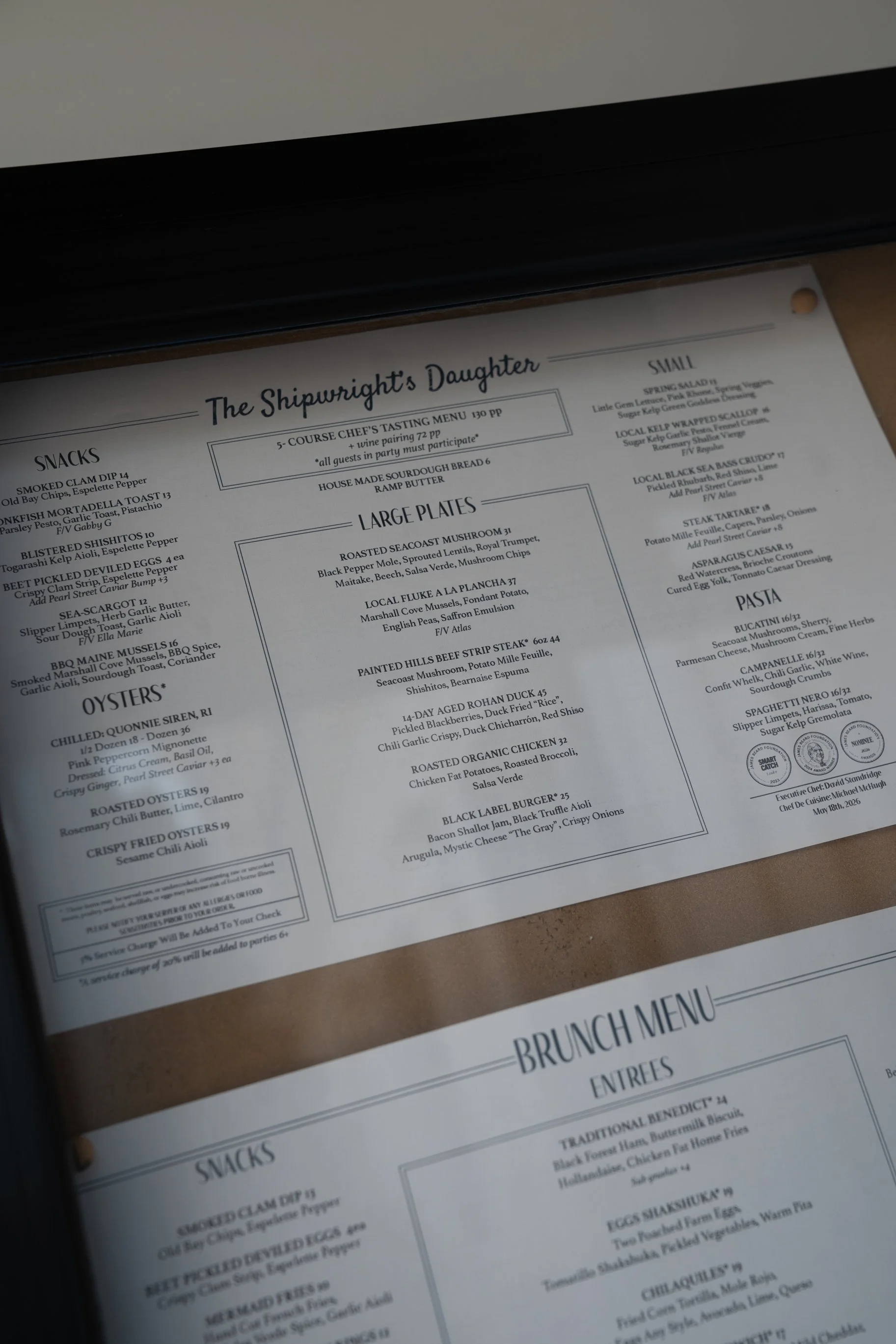
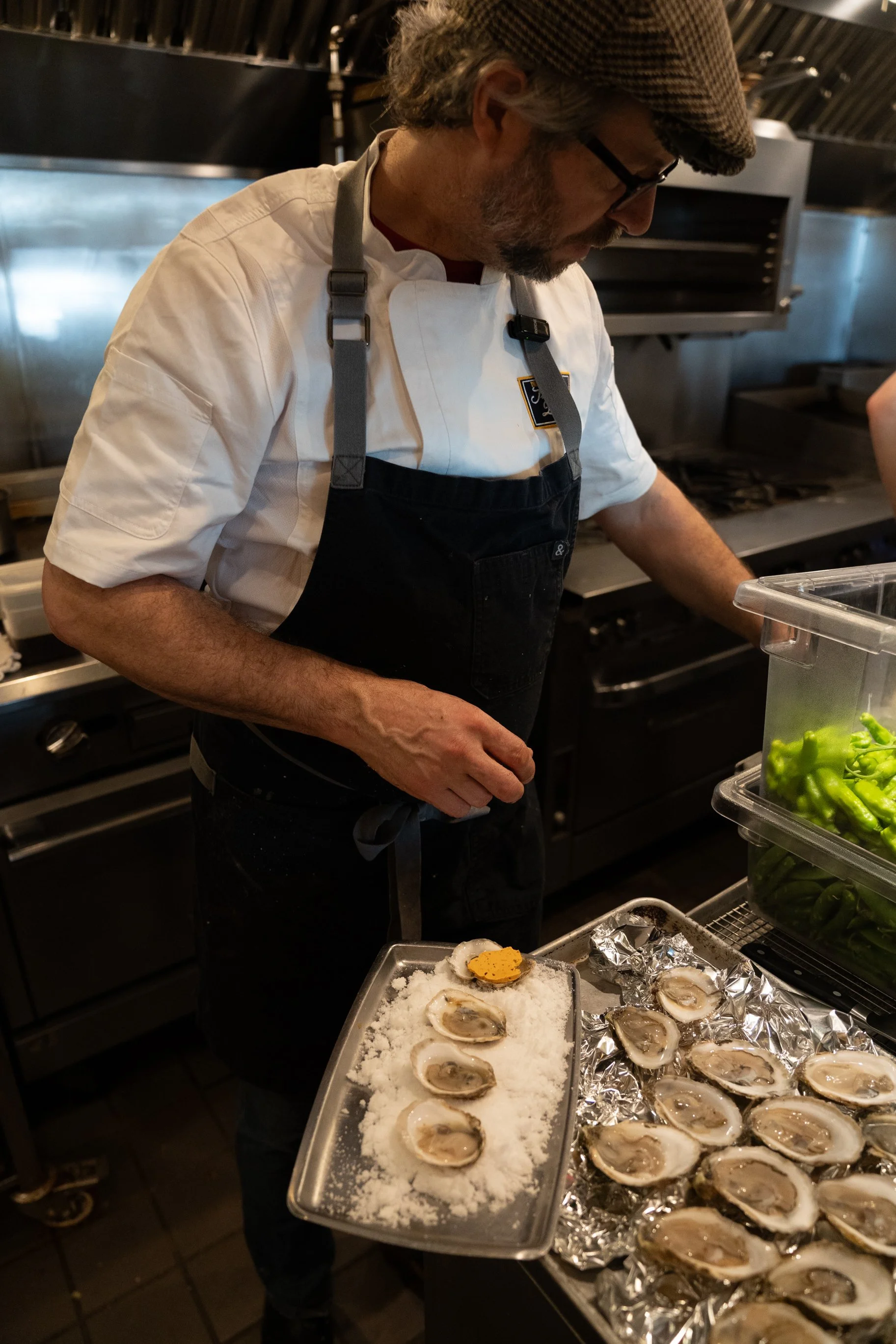
Standridge has made those overlooked ingredients an important part of his cooking. Rather than building a seafood menu around only a handful of familiar species, he looks more broadly at what the local ecosystem can responsibly provide—an approach that has included underutilized fish, invasive green crabs and locally grown kelp.
For us, that meant leaving Mystic and heading down the road toward Stonington.
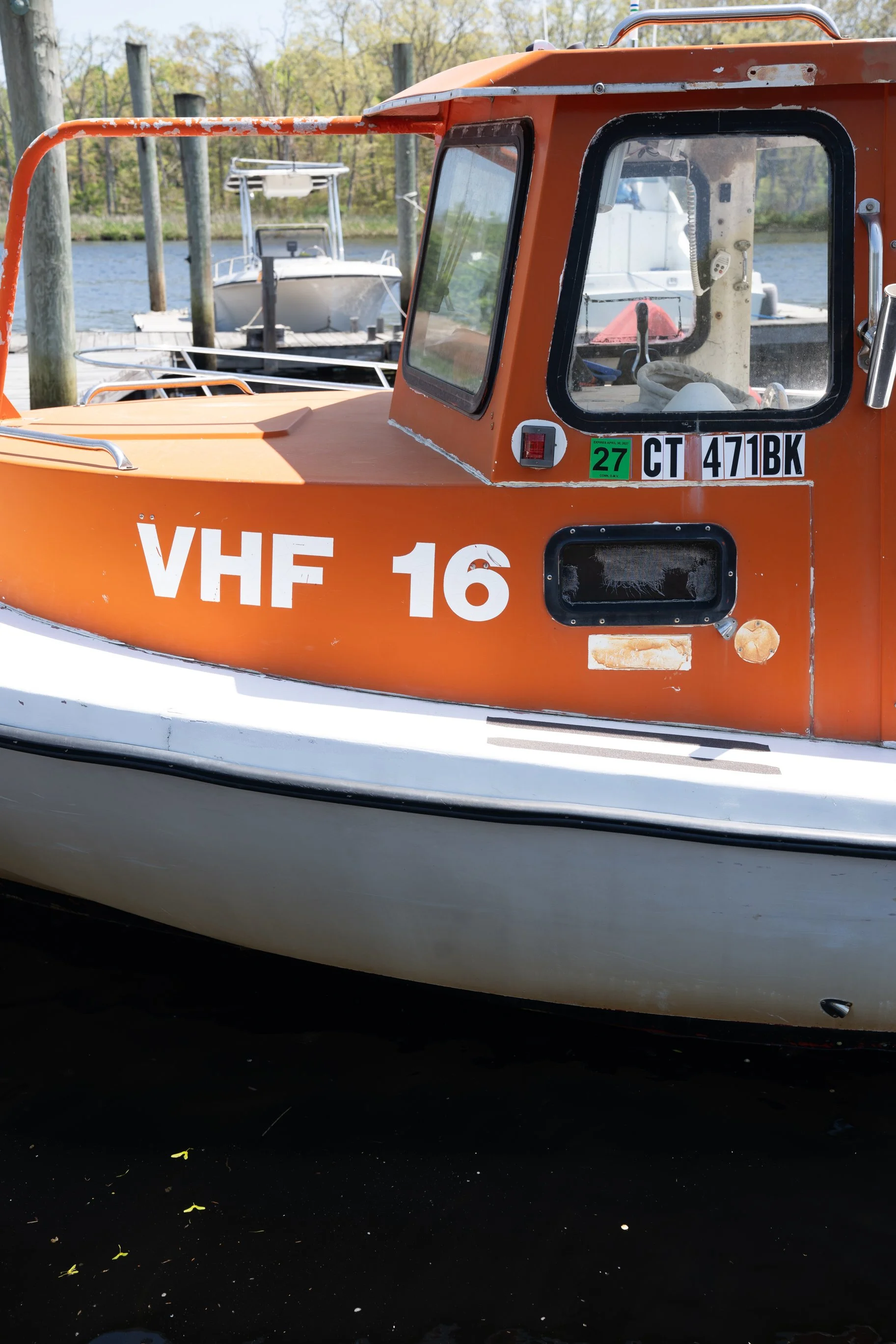
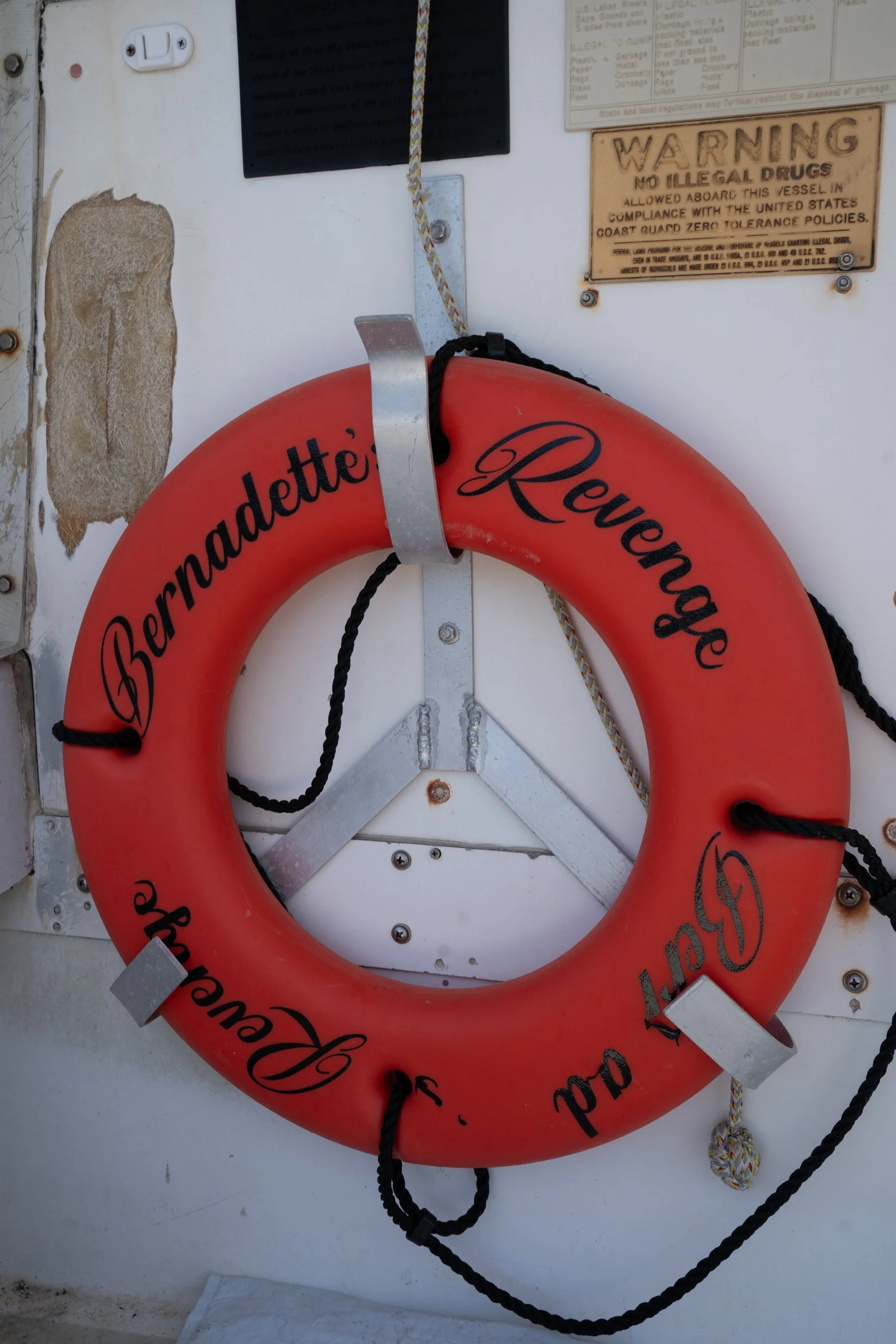
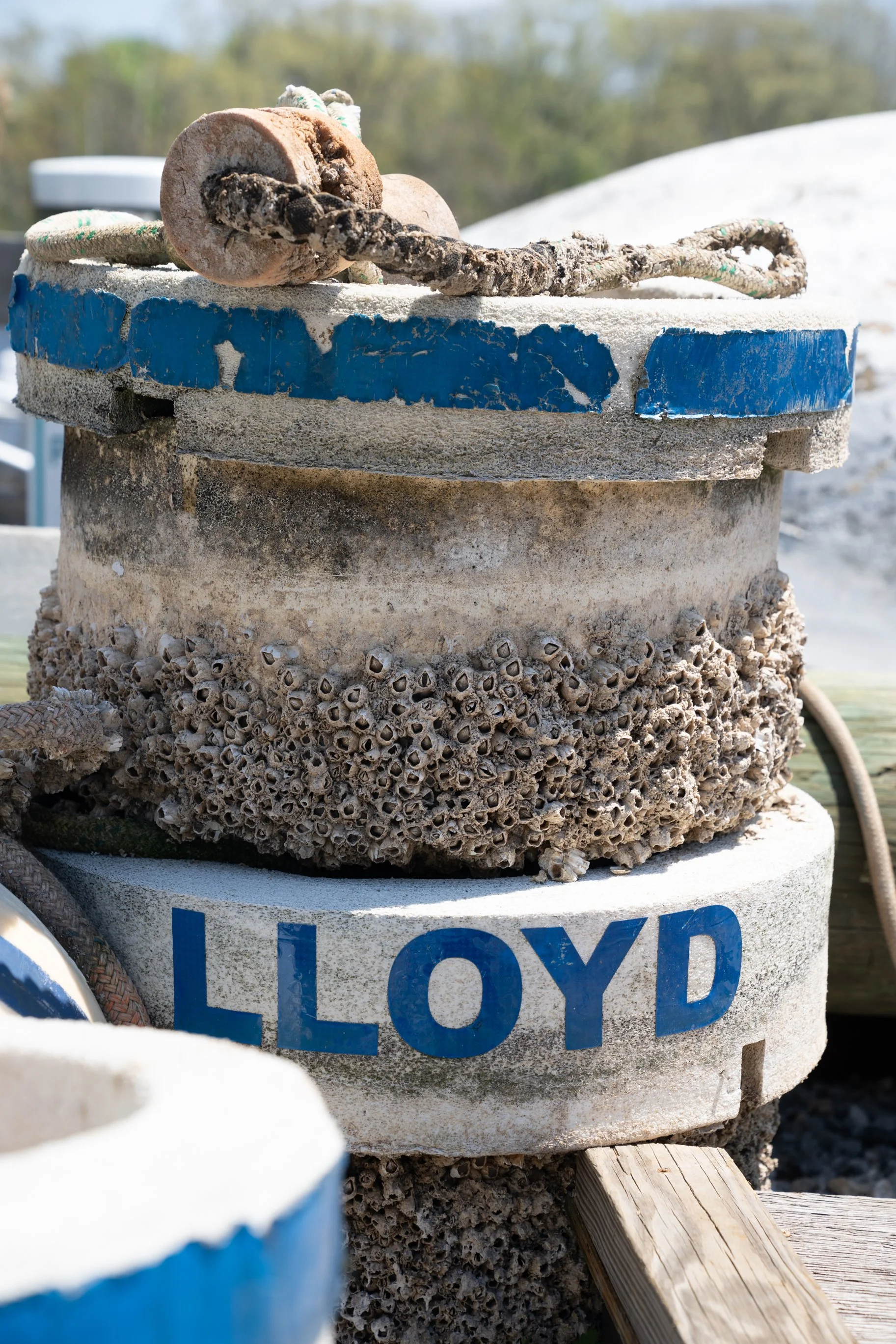
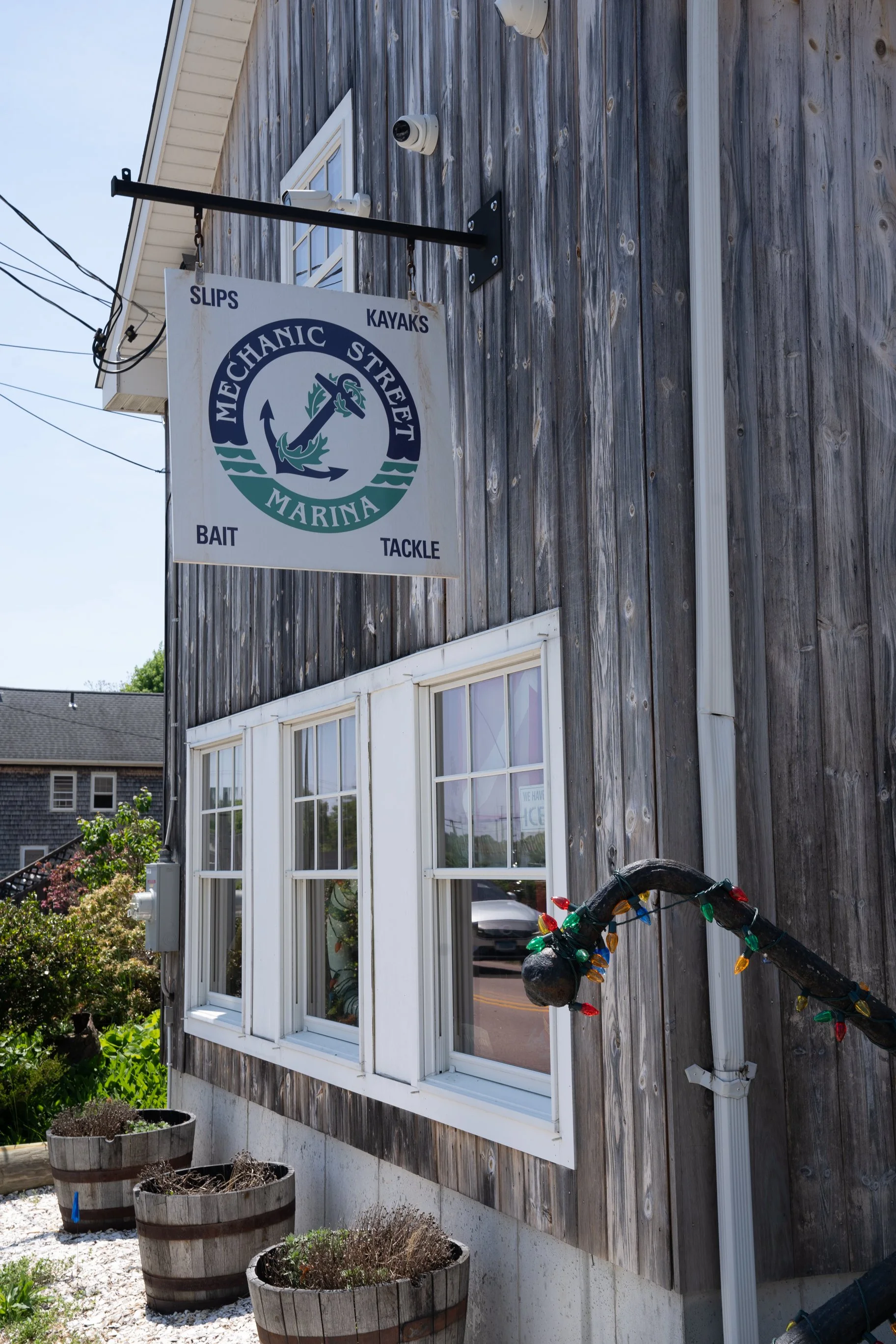
The working waterfront there provides a revealing counterpoint to the polished dining room back at the inn. This is where seafood changes hands, where boats return with the day's catch, and where the idea of "local seafood" becomes something tangible rather than a phrase printed on a menu.
Visiting the people behind those ingredients—including local seafood producers and the growers behind the oysters served at Shipwright's—gave us a closer look at the network Standridge has built around his kitchen.
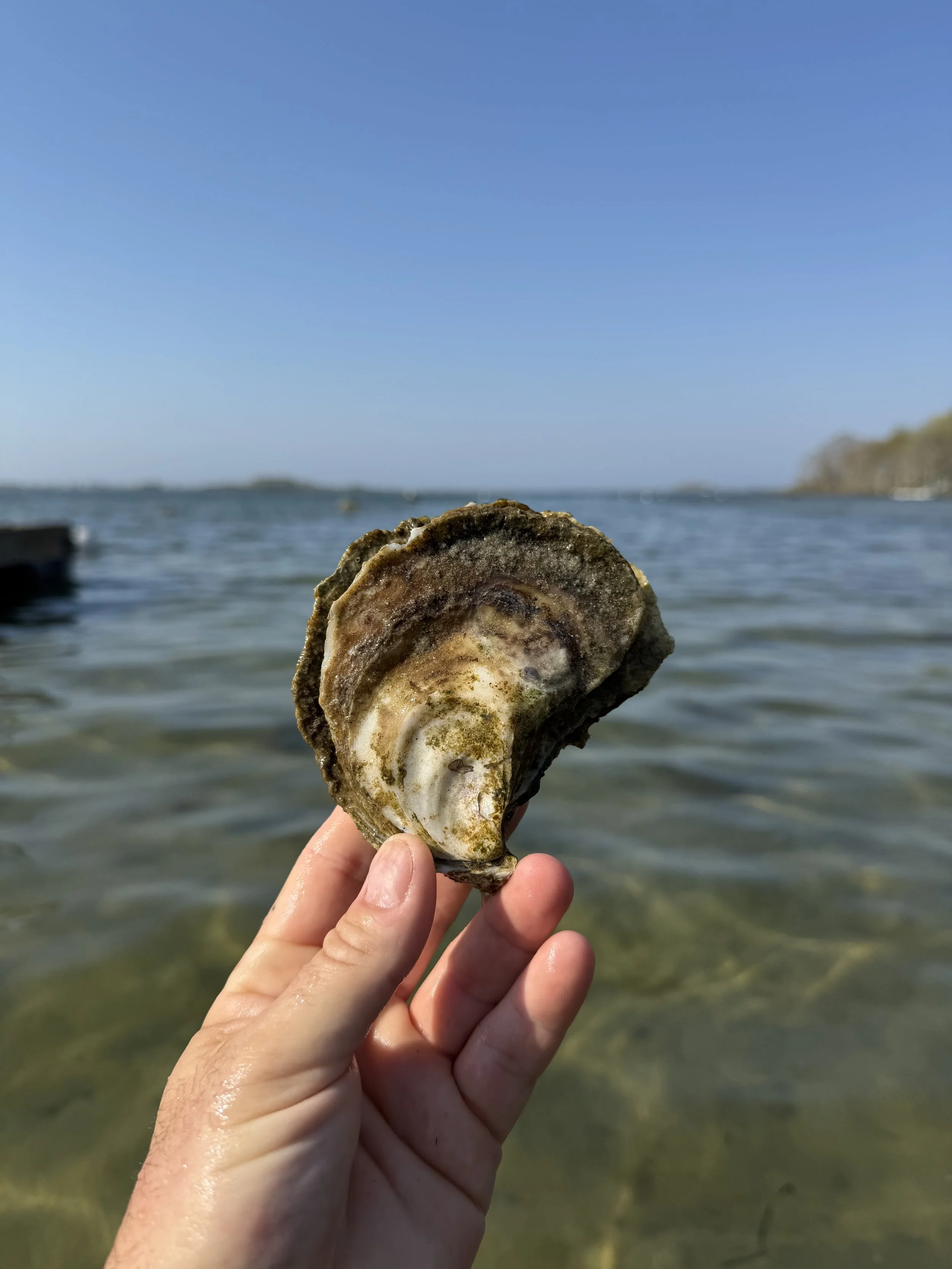
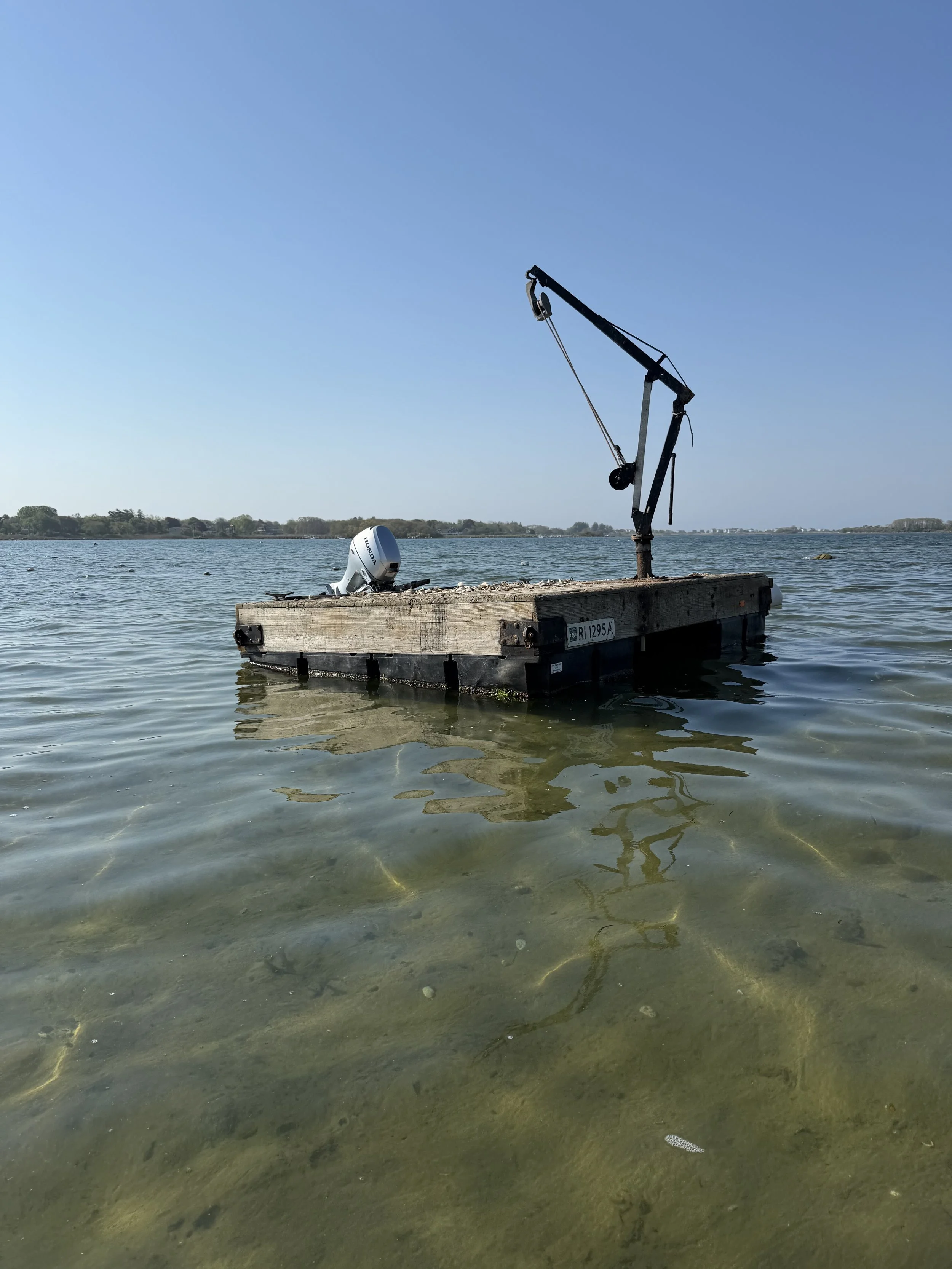
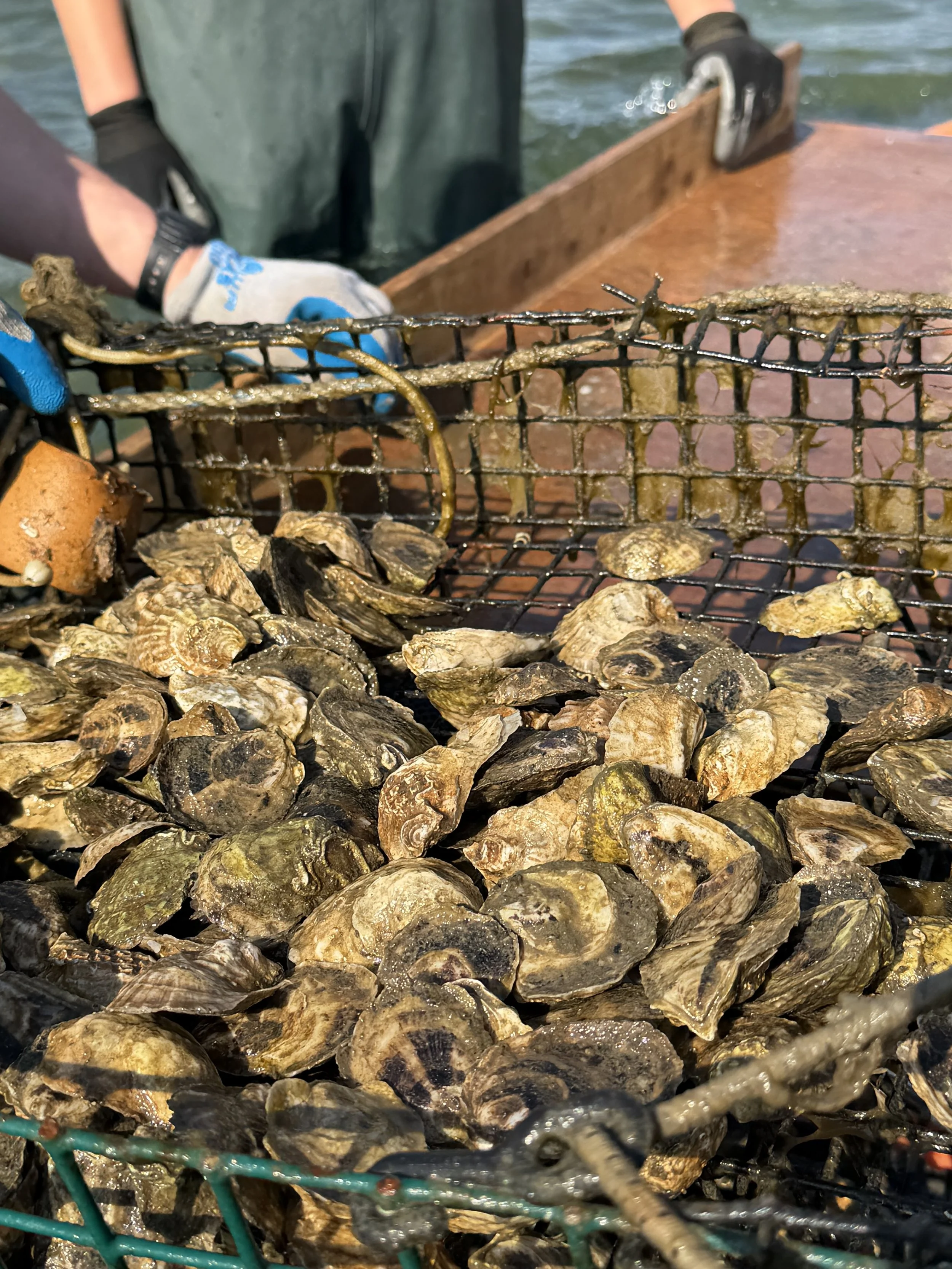
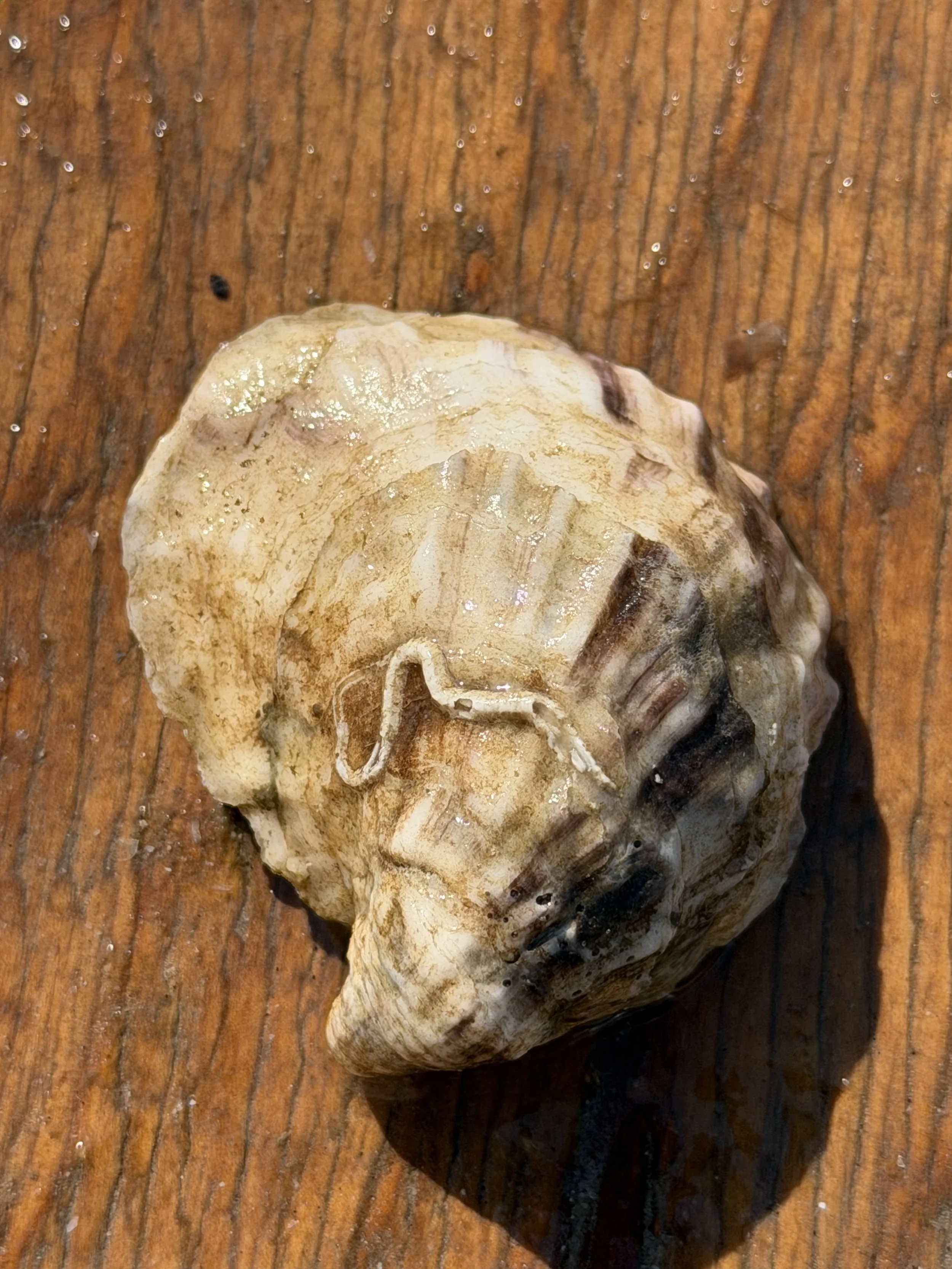
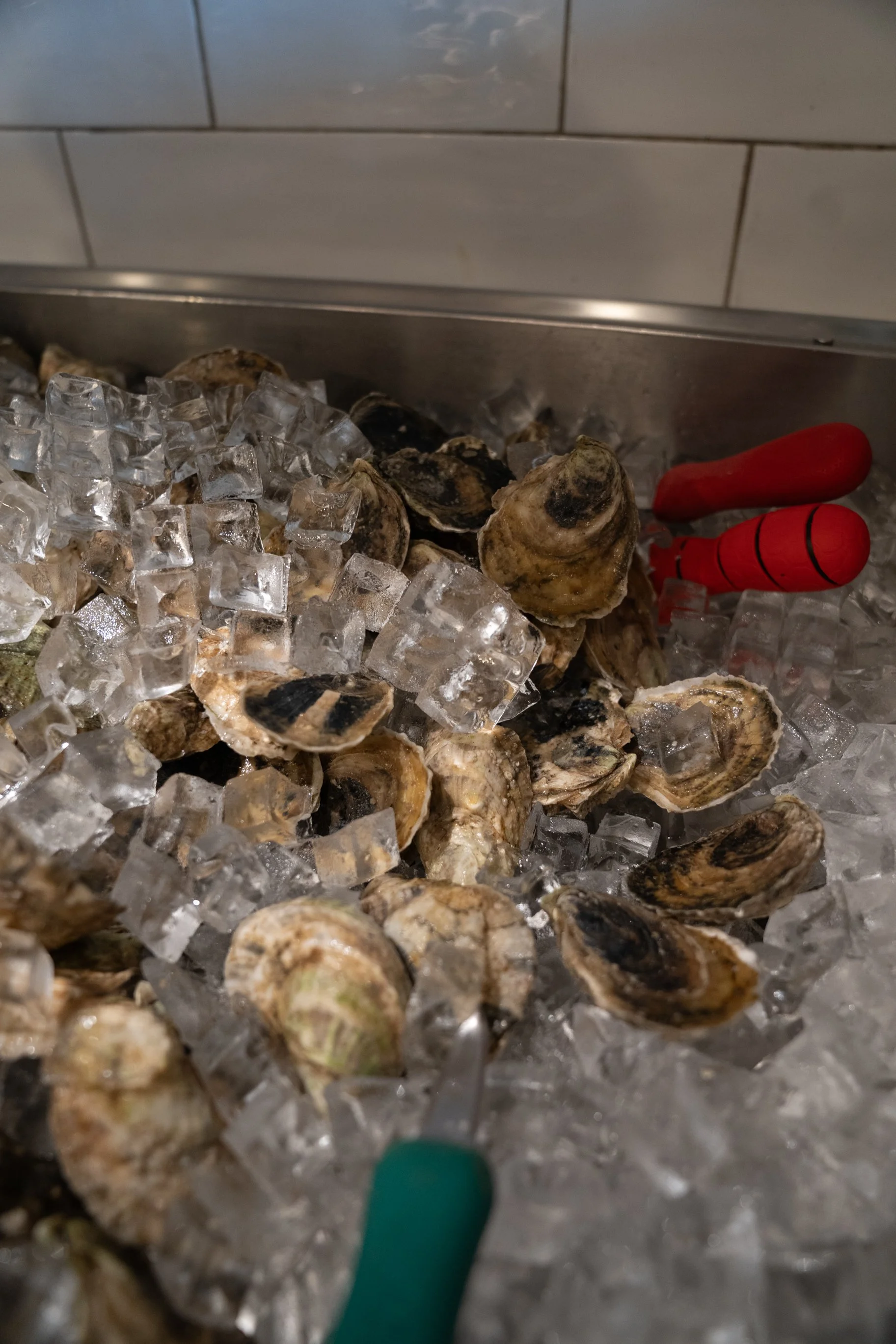
Few ingredients tell the story of coastal New England better than an oyster.
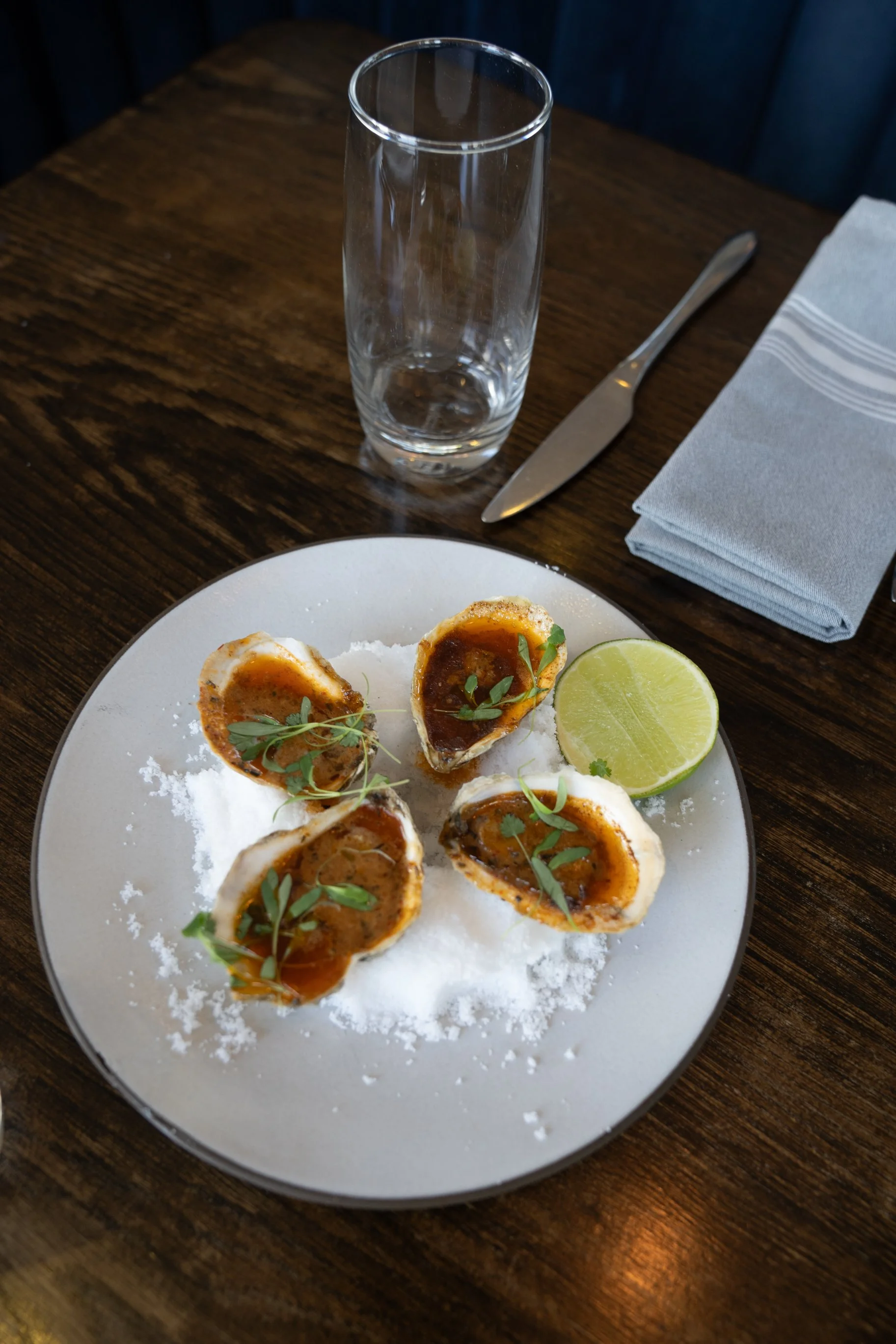
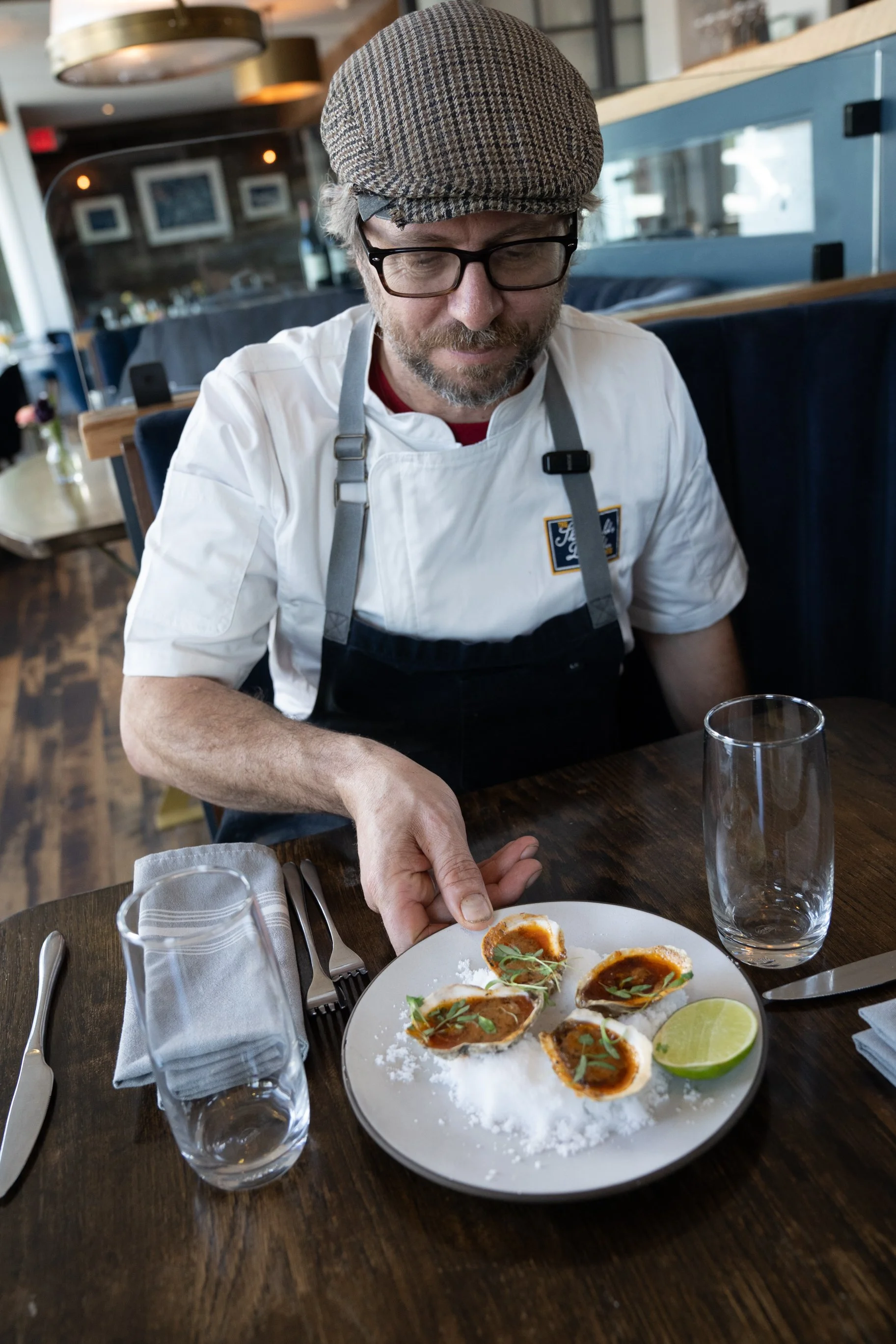
Our trip included time learning more about the local oysters that make their way onto David's menu, including Quonnie Sirens from nearby waters. Served simply, an oyster can offer an extraordinarily specific expression of place—the salinity, temperature and character of the water compressed into a few bites.
But oysters are also part of a larger coastal system.
For a chef interested in the future of New England's waters, sourcing seafood isn't simply about finding the best ingredient. It means understanding how that ingredient is harvested or grown, who is producing it, and whether those practices can continue for another generation.
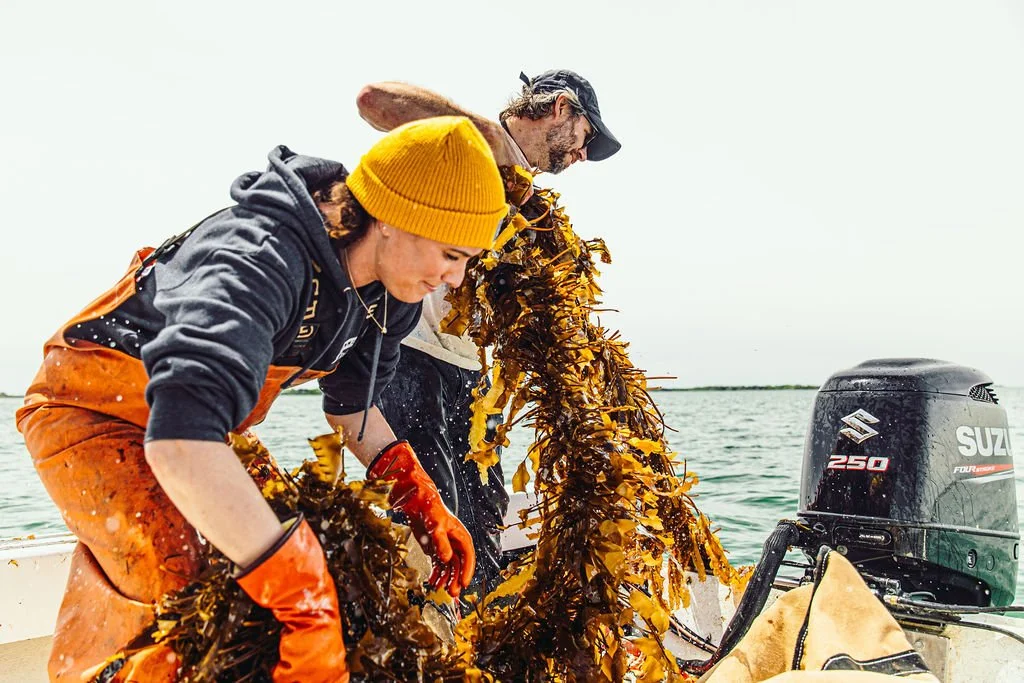
Photo: Lisa Nichols
It is an idea we feel particularly connected to at Long Wharf: protecting the coast means finding ways for coastal communities, businesses and ecosystems to thrive alongside one another.
Perhaps nowhere was that relationship clearer than in Stonington, where we visited the local kelp operation.
Founded in 2017 by Suzie Flores and Jay Douglass, Stonington Kelp Company farms seaweed in Fishers Island Sound. The crop requires no traditional farmland or freshwater and grows directly in the coastal environment.
For Standridge, kelp isn't simply an environmental story. It is an ingredient.
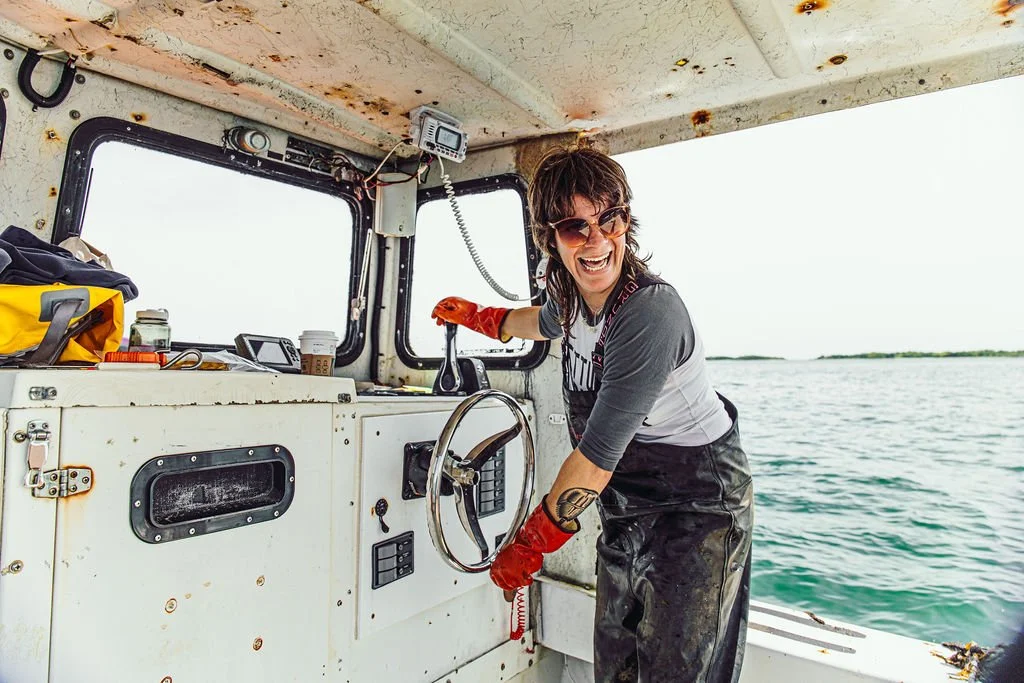
Photo: Lisa Nichols
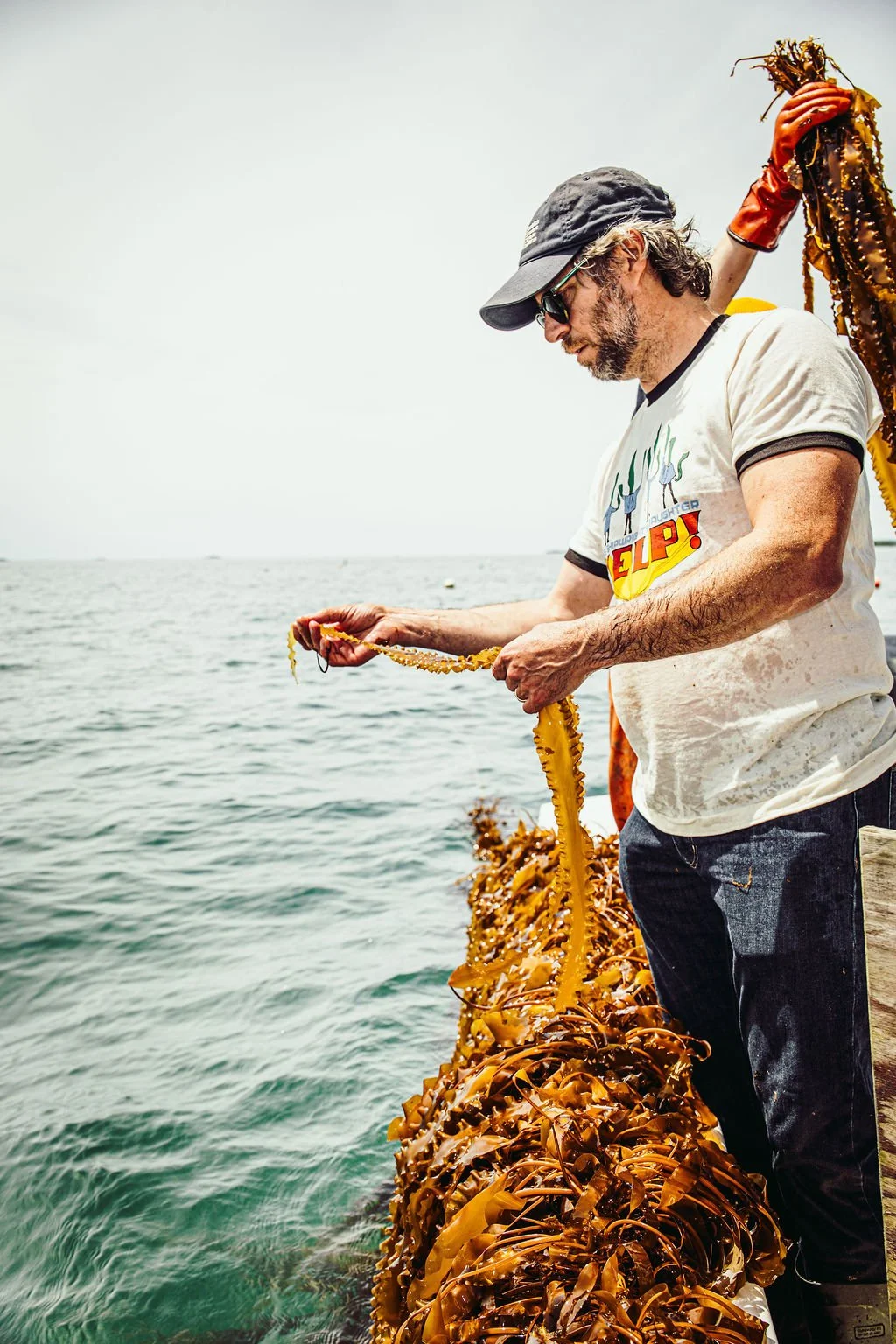
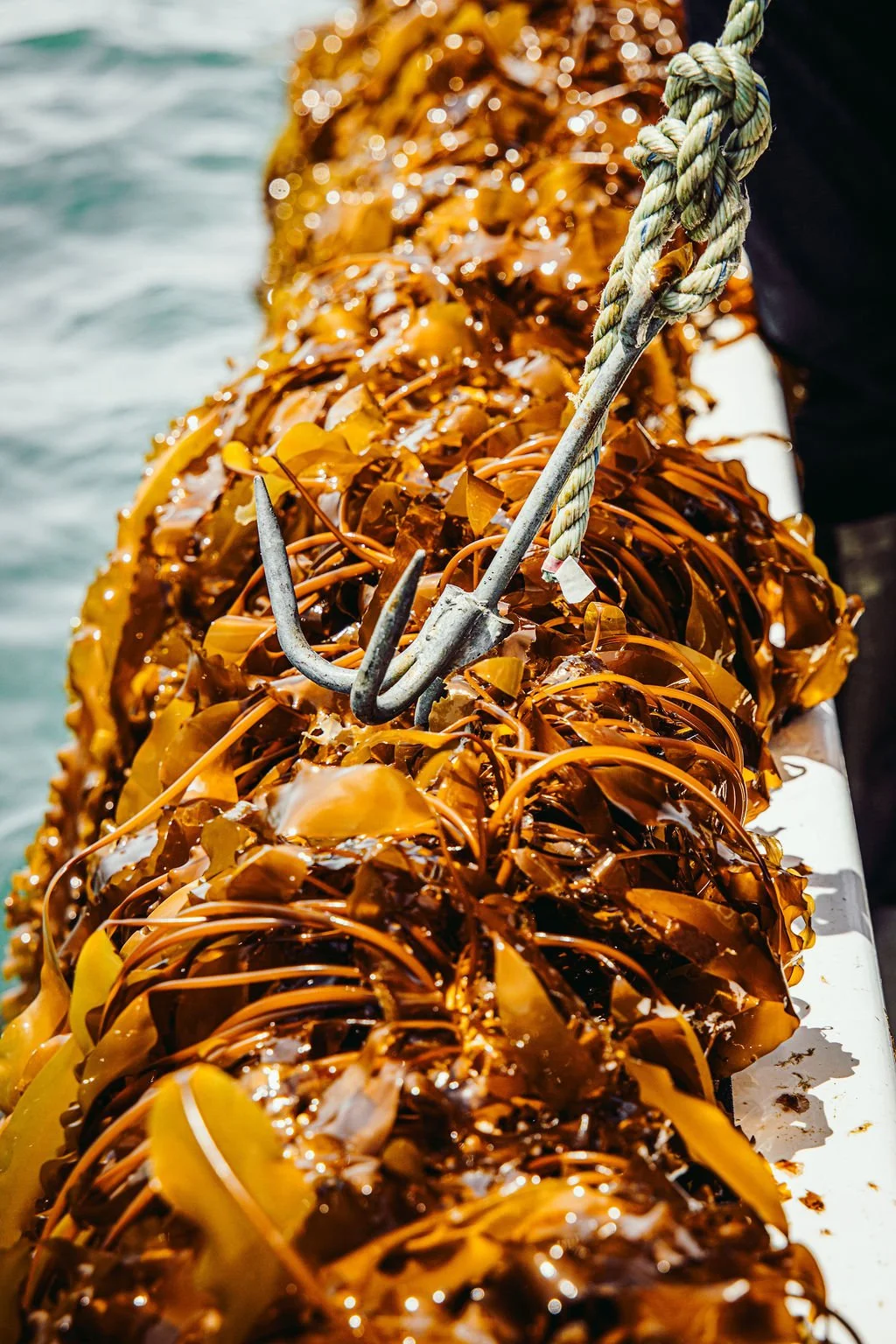
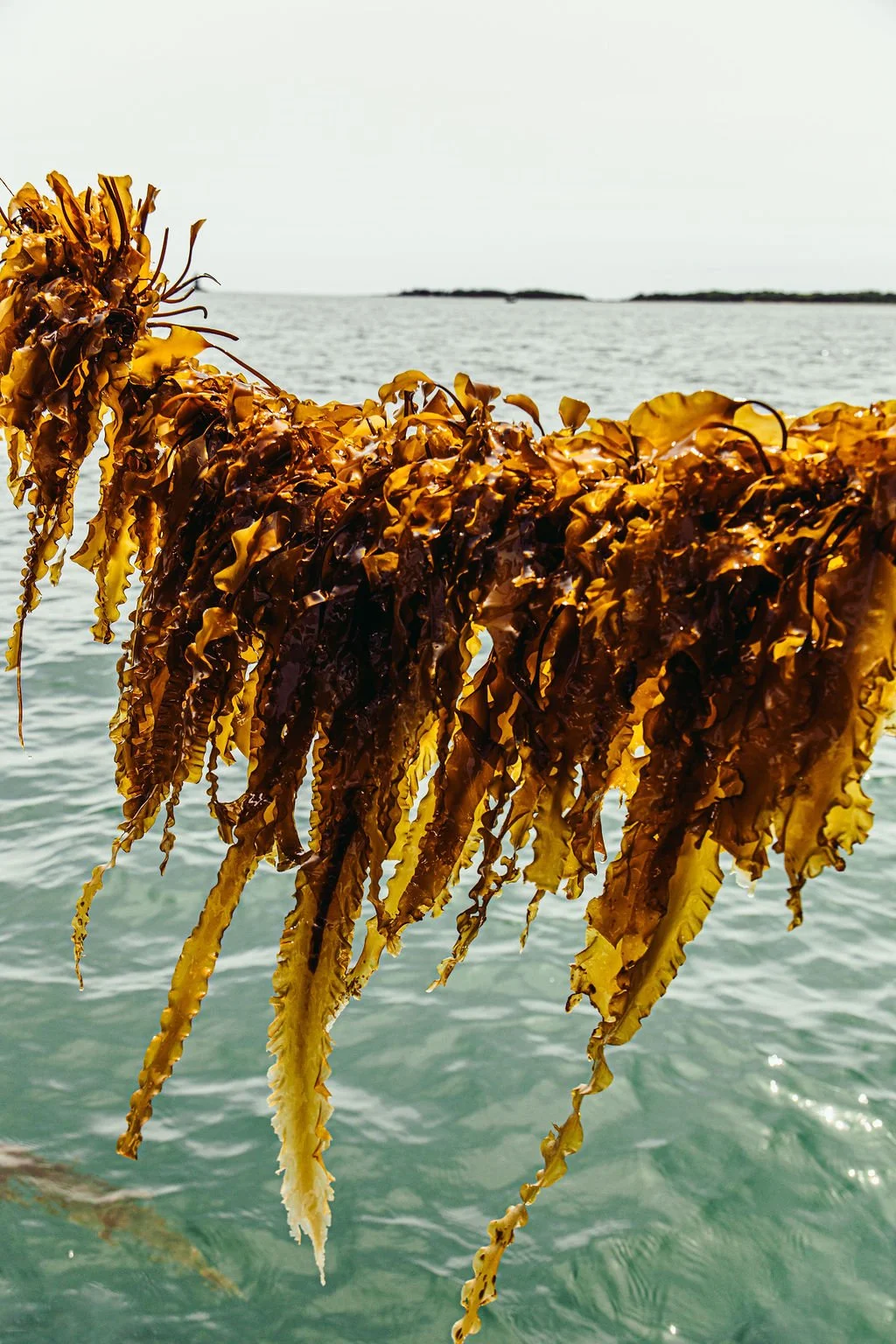
Photo: Lisa Nichols
The Shipwright's Daughter has developed an ongoing partnership with Stonington Kelp Company, including an annual dinner devoted to exploring the culinary possibilities of locally grown kelp. In April 2026, the restaurant hosted the fifth edition of the dinner.
That distinction matters. Sustainability becomes considerably more interesting when it moves beyond something worthy in theory and becomes something you actually want to eat.
In David's kitchen, kelp might appear alongside scallops, become part of a seasoning, or add the unmistakable mineral character of the sea to a dish. The ingredient carries the landscape—or, more accurately, the seascape—onto the plate.
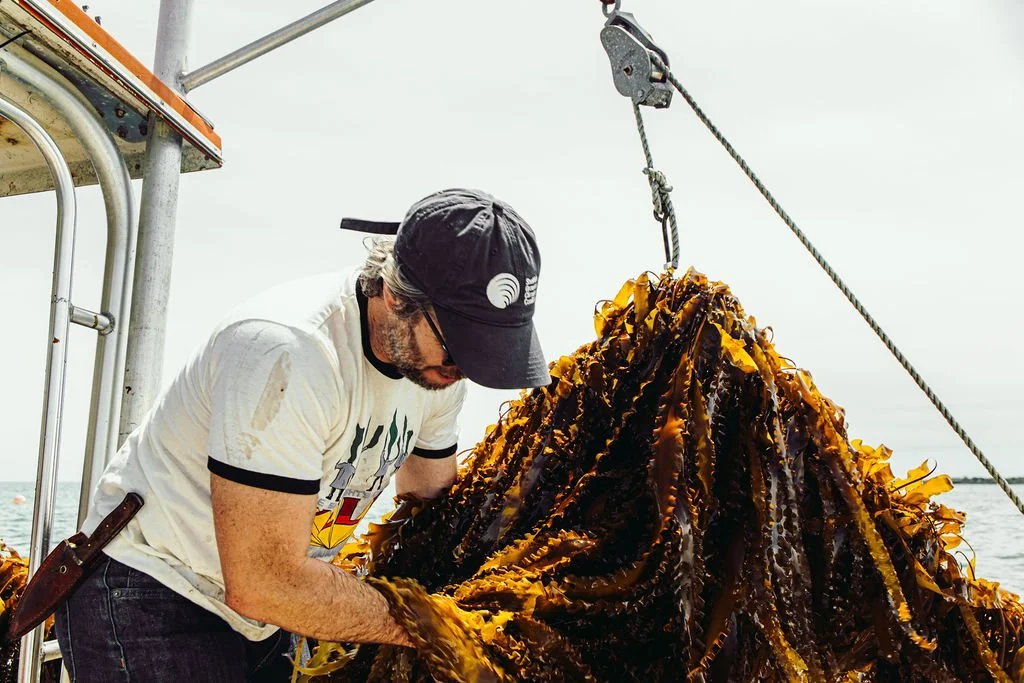
Photo: Lisa Nichols
Returning to The Shipwright's Daughter after visiting the producers changes the way you look at dinner.
An oyster is no longer simply an oyster.
You remember the water where it was grown. A piece of fish carries with it the docks at Stonington. Kelp becomes connected to the lines suspended beneath Fishers Island Sound.
Watching David work in the kitchen brings those individual stories together.
Our time in Mystic reinforced something we've encountered again and again while traveling the New England coast.
The most memorable places are rarely disconnected from their surroundings.
They are the places where the harbor matters. Where the menu changes because the boats came back with something different that morning. Where chefs know their fishermen, oyster growers and farmers by name. And where preserving those relationships is understood as part of preserving the character of the coast itself.
That is what makes The Shipwright's Daughter feel particularly at home inside The Whaler's Inn.
The inn, the restaurant, the Stonington waterfront, the oyster growers and the kelp farm all belong to the same larger story—a working coastline that continues to evolve without losing sight of what made these communities distinctive in the first place. We followed Kathleen to Quonnie Siren Oyster Co. and American Seafood to get a closer look for ourselves.
For us at Long Wharf, it's a story worth following because sometimes understanding a place means getting out on the water alongside the people who work it.
And sometimes it begins with four oysters on a plate in Mystic, Connecticut.
A huge thank you to David, Kathleen, and everyone who hosted us along the Connecticut shoreline. Next up, we’ll tell you a bit more about Quonnie Siren oysters and the guys over at American Seafood.


