Maritime Traditions Aboard the Schooner American Eagle
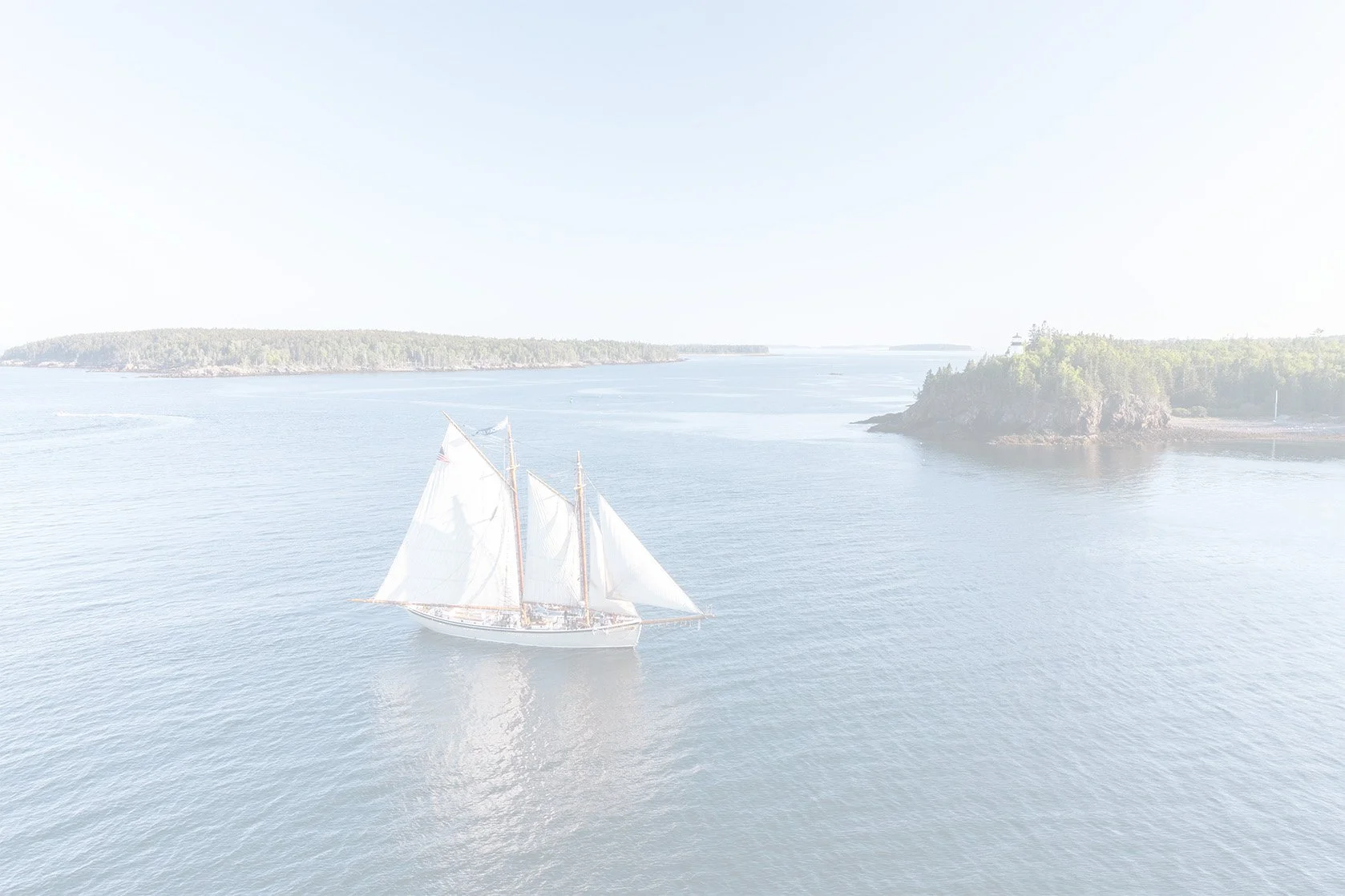
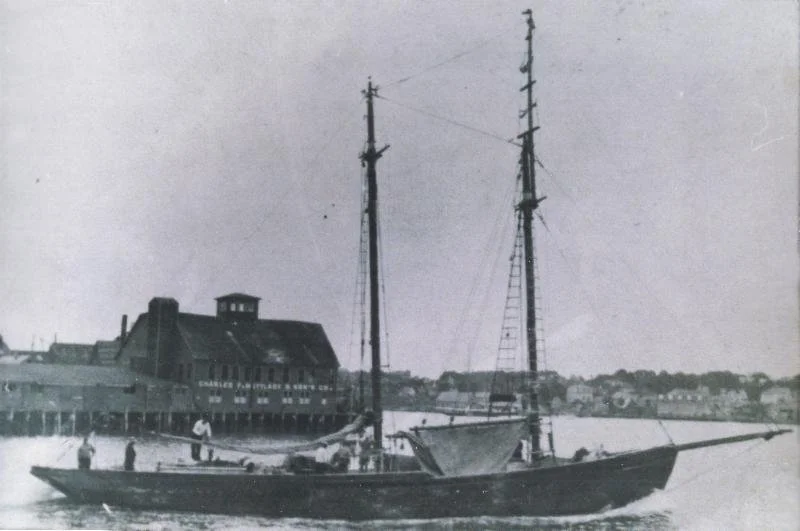
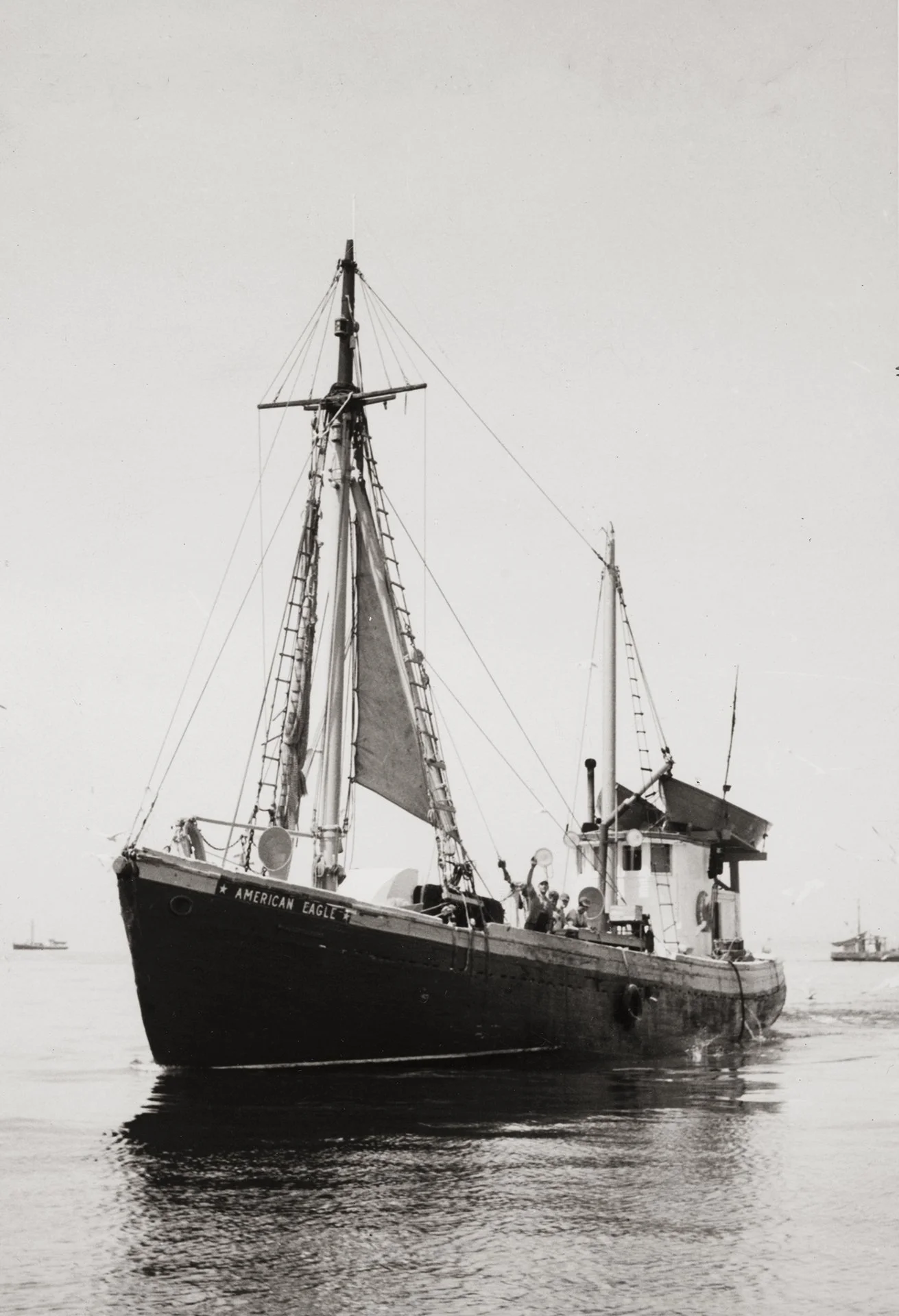
Built in Gloucester, Massachusetts, in 1930 as Andrew & Rosalie, American Eagle began her life among the working waterfronts of Cape Ann, sailing out into the cold waters of the North Atlantic as part of New England’s storied fishing fleet.
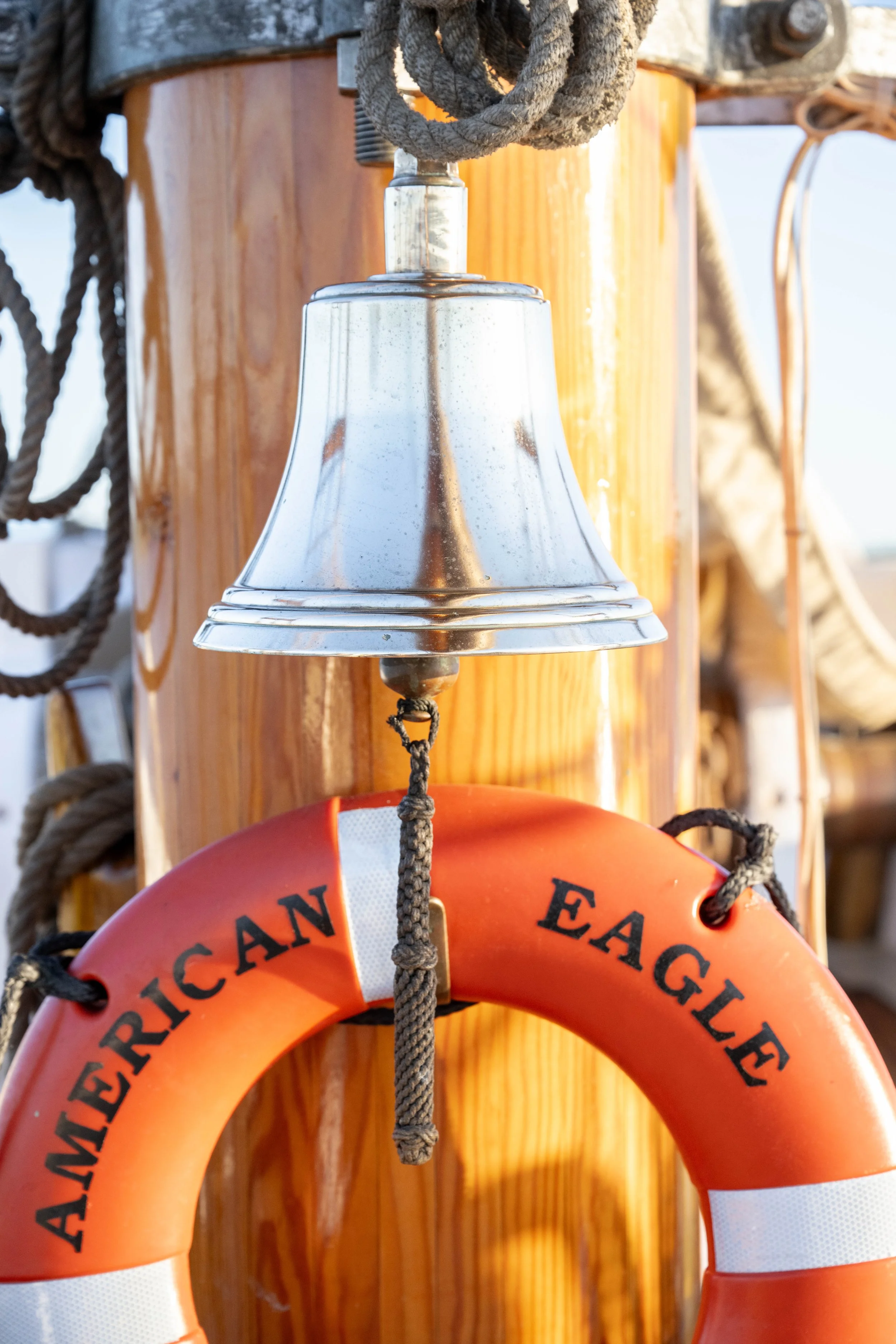
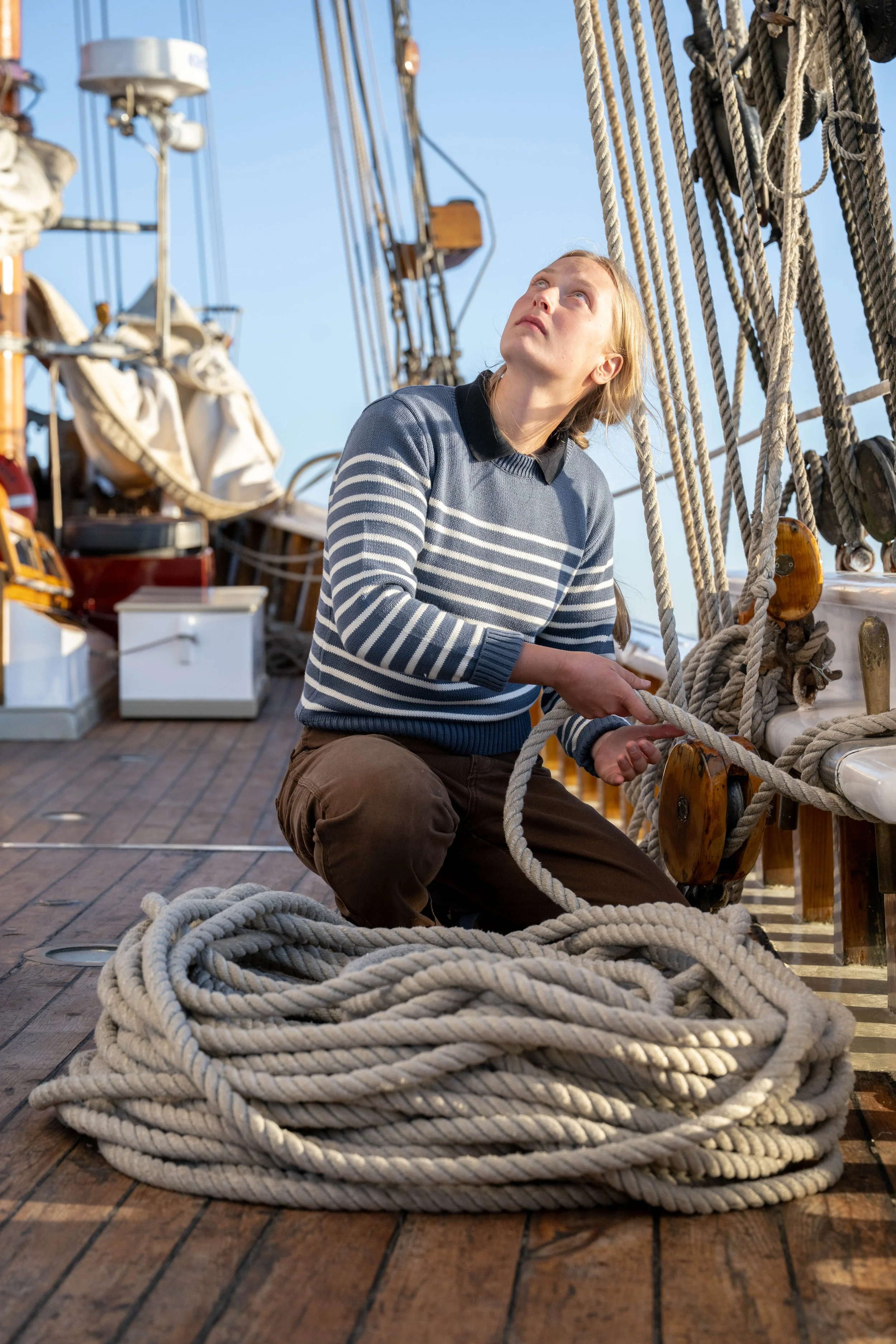
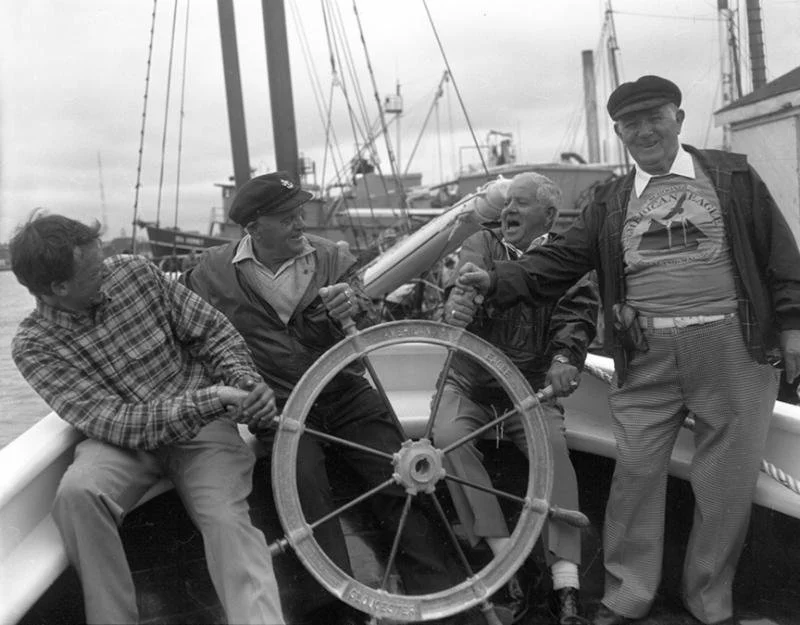
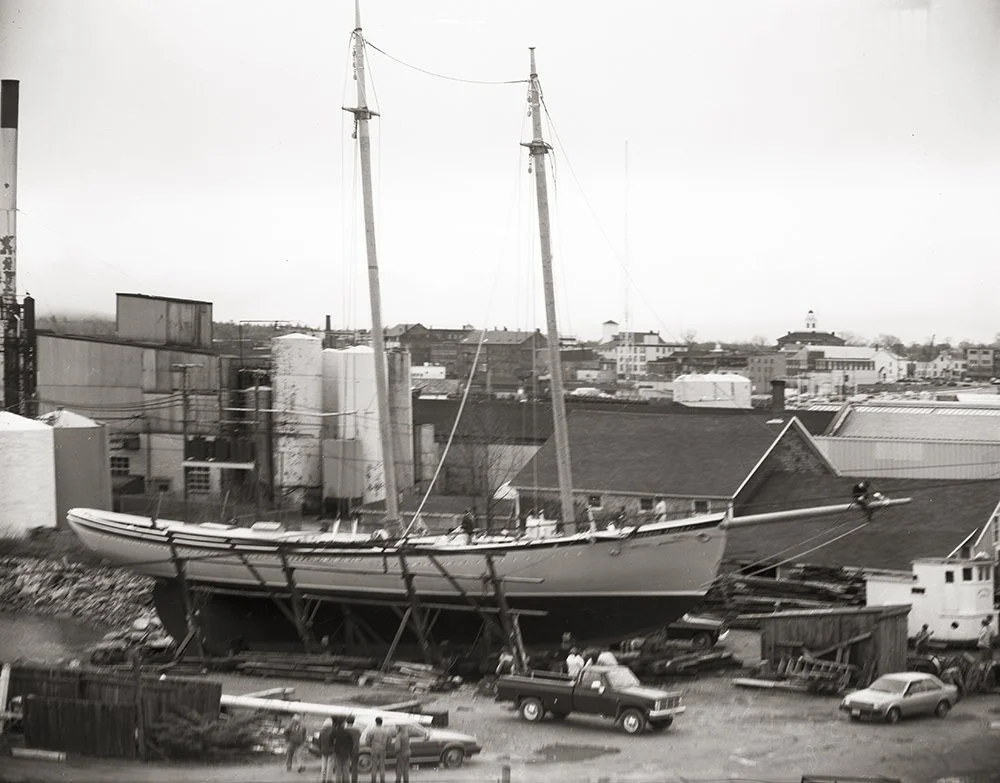
The Schooner, American Eagle, is sailed by Capt. Tyler King today, but for more than half a century, she worked the waters stretching from the rocky coast of Maine to the rich fishing grounds offshore, carrying generations of fishermen through fog, weather, and long days at sea. In 1983, she made her way north to Rockland, tucked along the western shore of Penobscot Bay, where an extensive restoration gave the old schooner a new chapter. Reborn as a traditional sailing vessel, she joined Maine’s celebrated windjammer fleet and began carrying passengers among the spruce-covered islands, quiet coves, lighthouses, and fishing villages of Midcoast Maine.
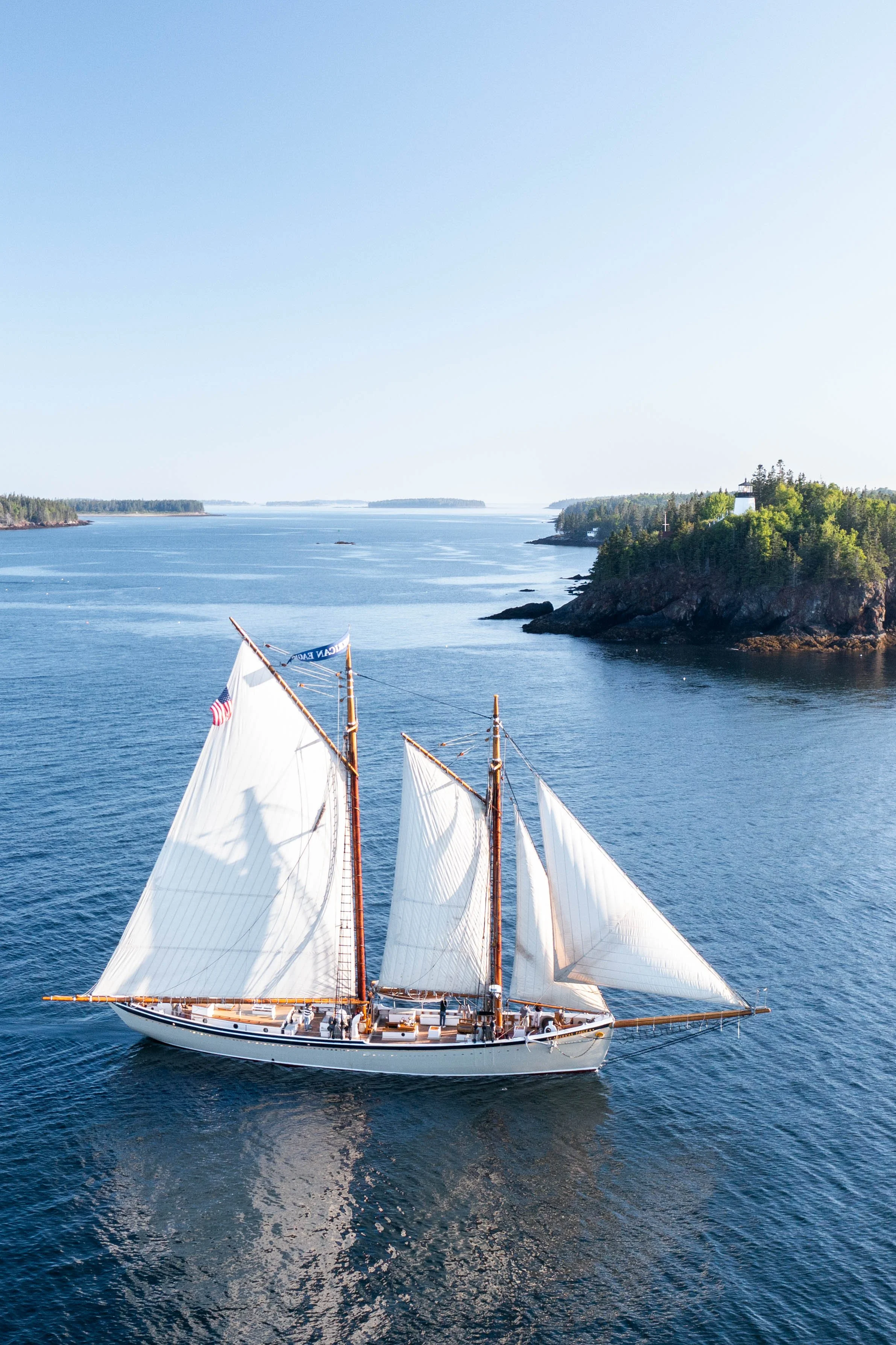
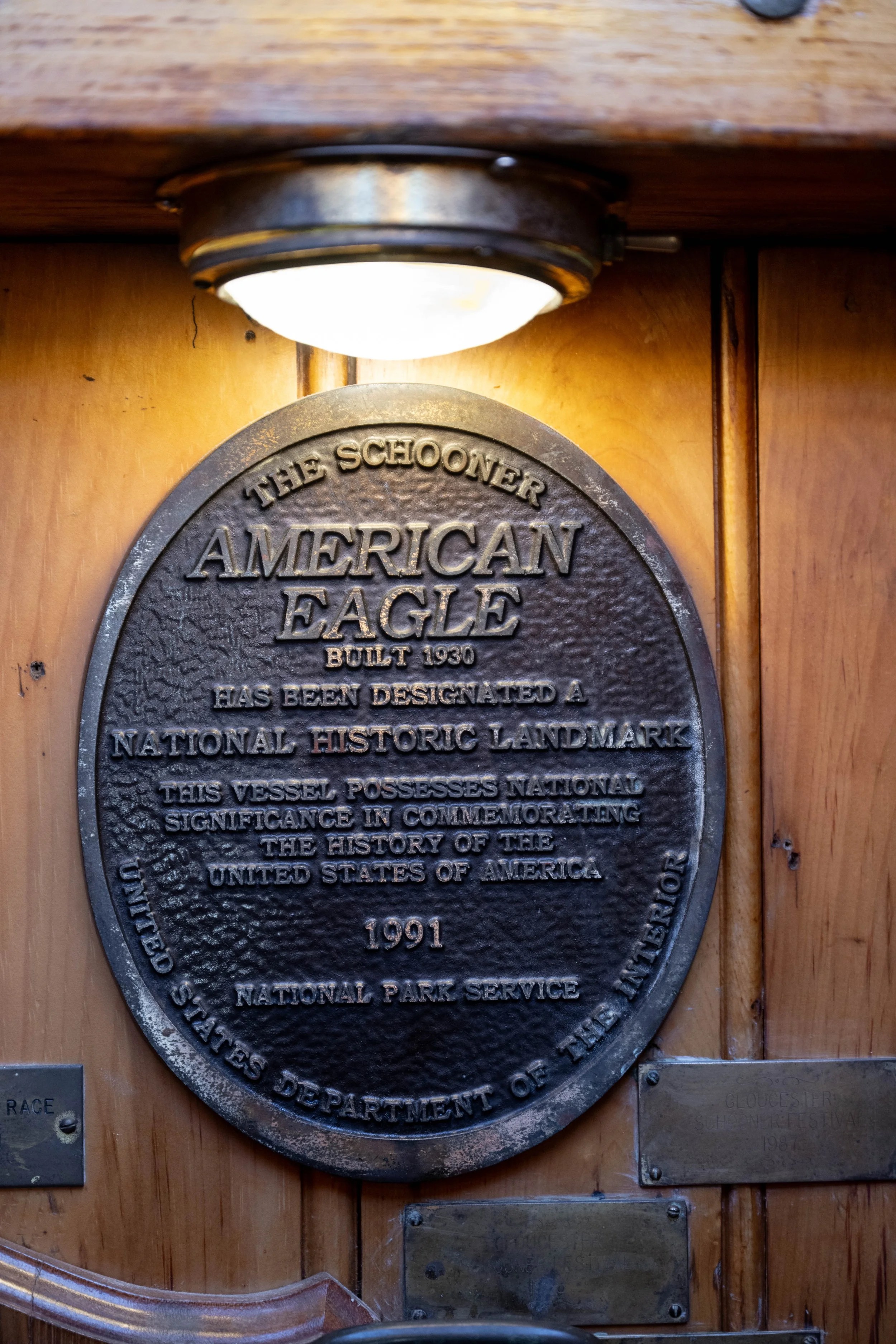
In 1991, American Eagle was designated a National Historic Landmark—a fitting distinction for a vessel that still feels less like a piece of history and more like a living connection to the New England coast.

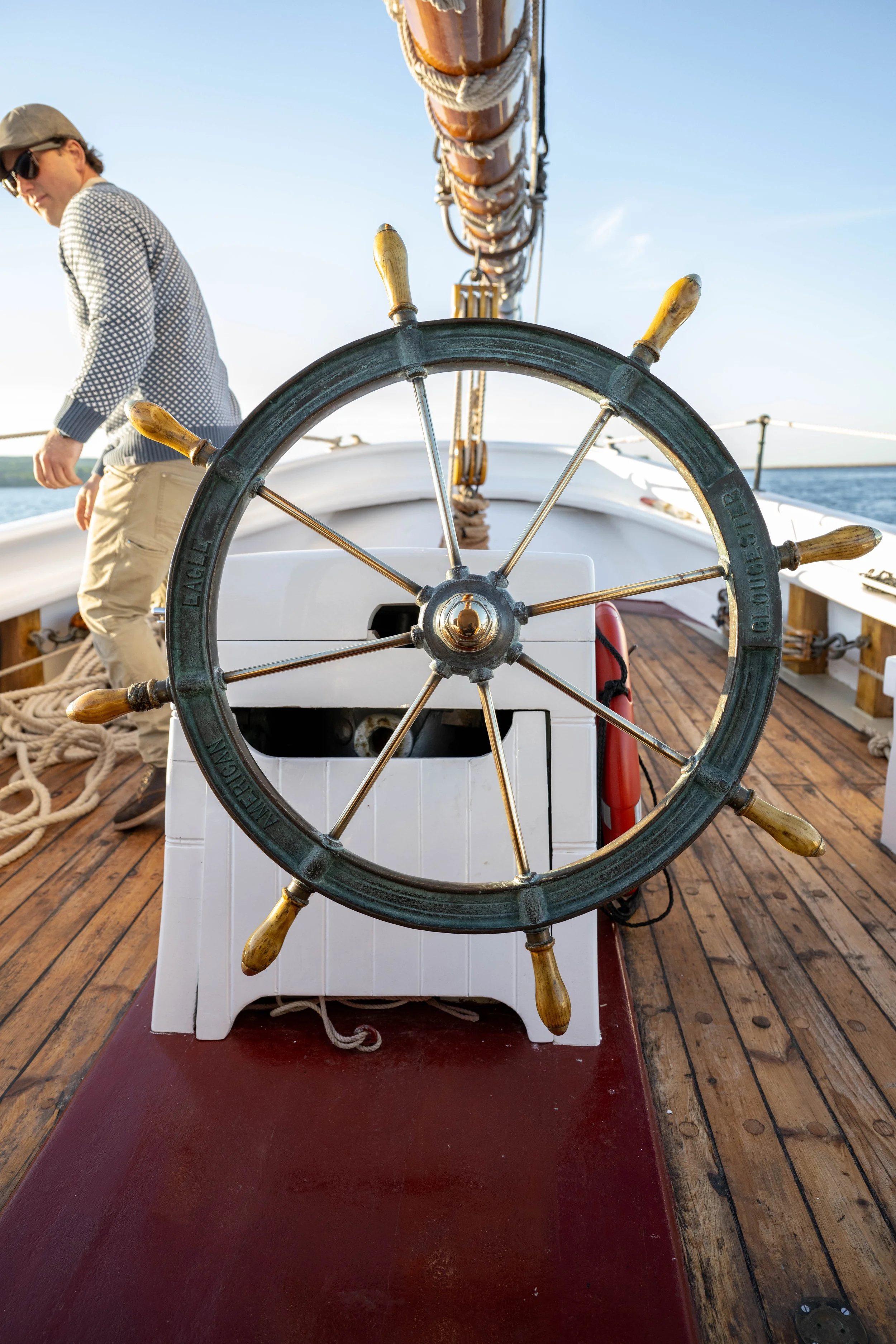
There are few places that capture the spirit of Long Wharf quite like the coast of Maine. This summer, we headed north to Rockland for a day under sail on Penobscot Bay.
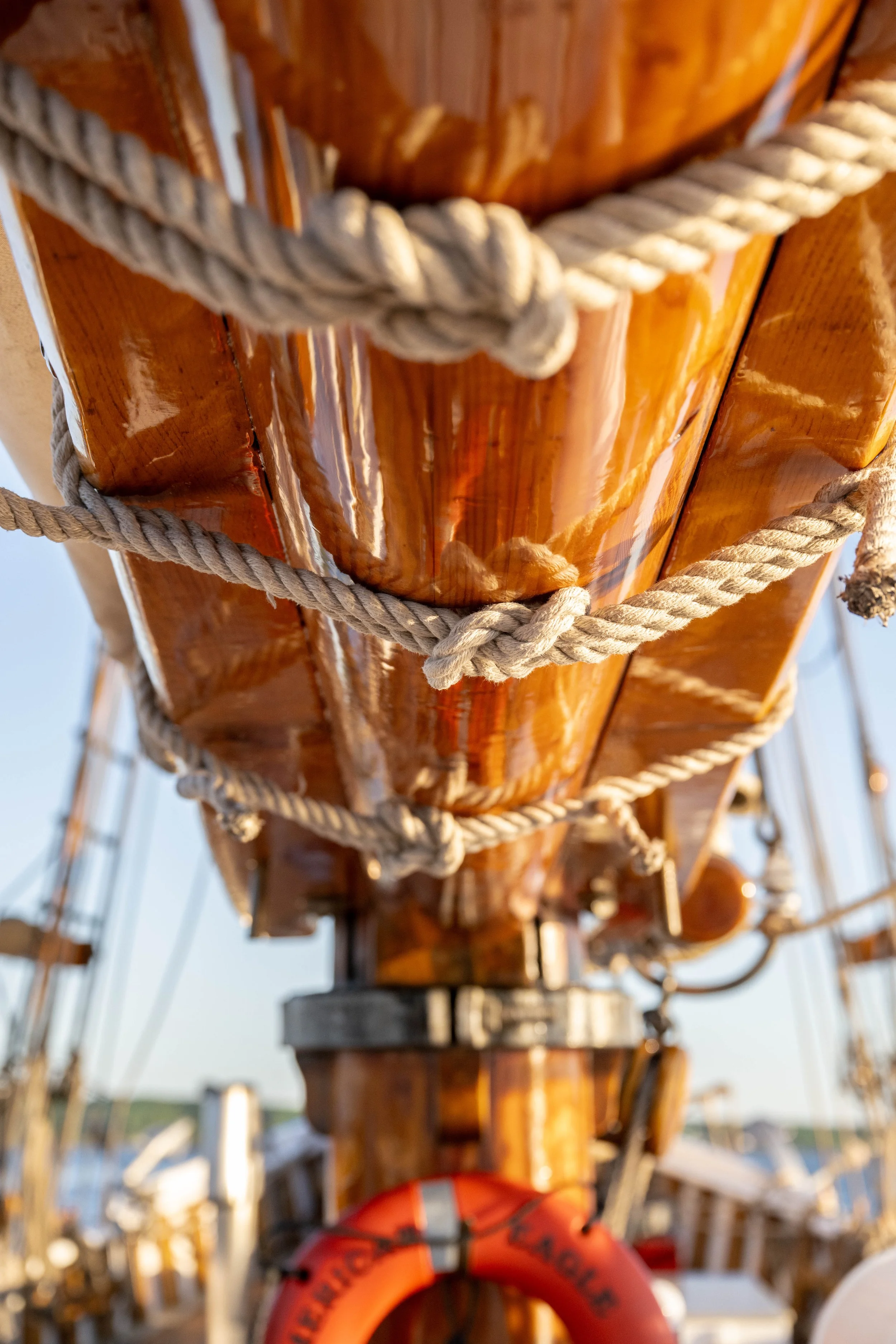
It was the kind of setting our clothing is made for: weathered teak and varnished spars, coils of line across the deck, salt air, cold blue water, and a horizon broken only by islands and sailboats.
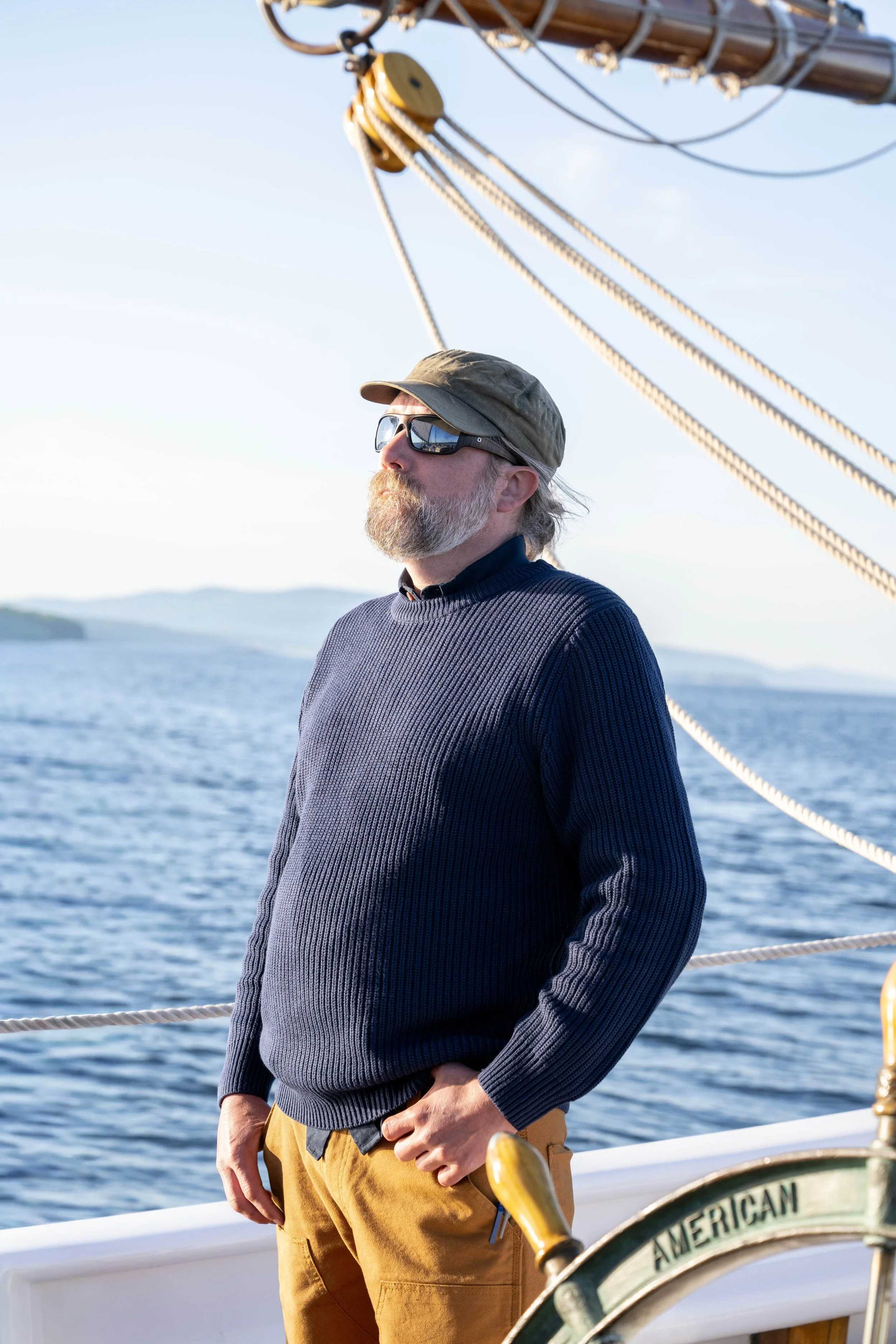
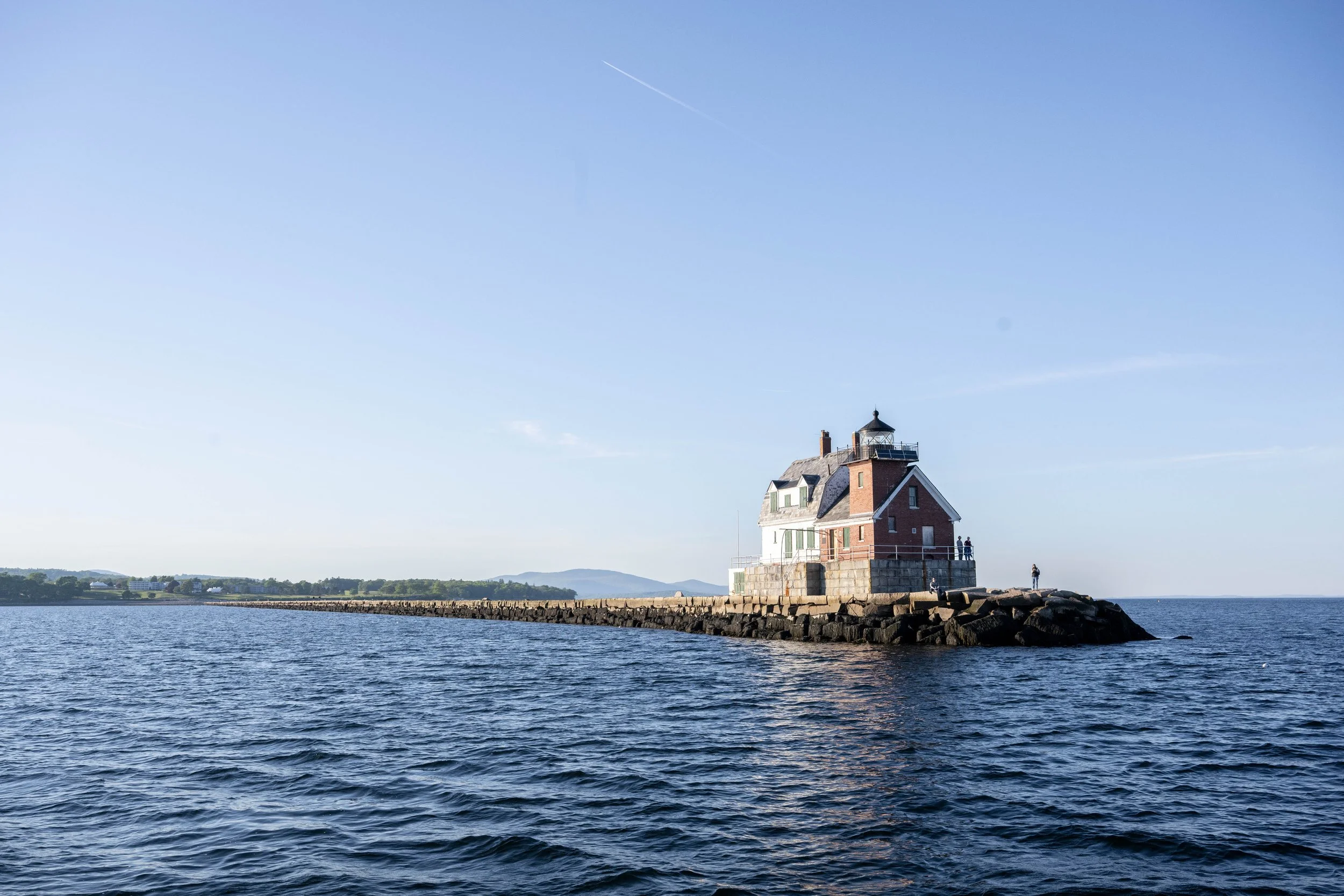
Today, she sails from Rockland into Penobscot Bay, carrying on a tradition that once defined life along much of the New England coast. For us, that history made her a natural place to spend some time.
Made for Days Like This
Once we were underway, the pace changed.
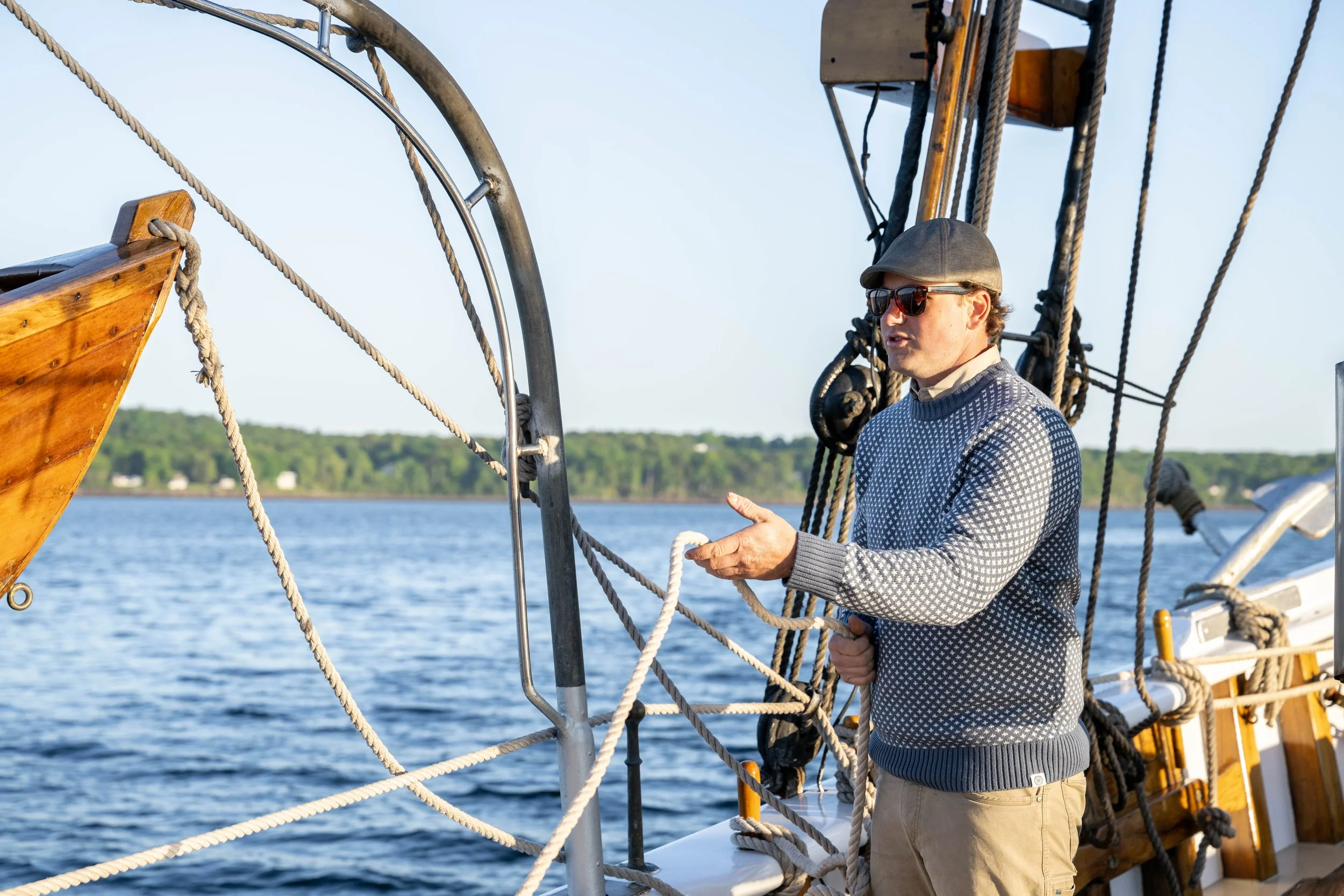
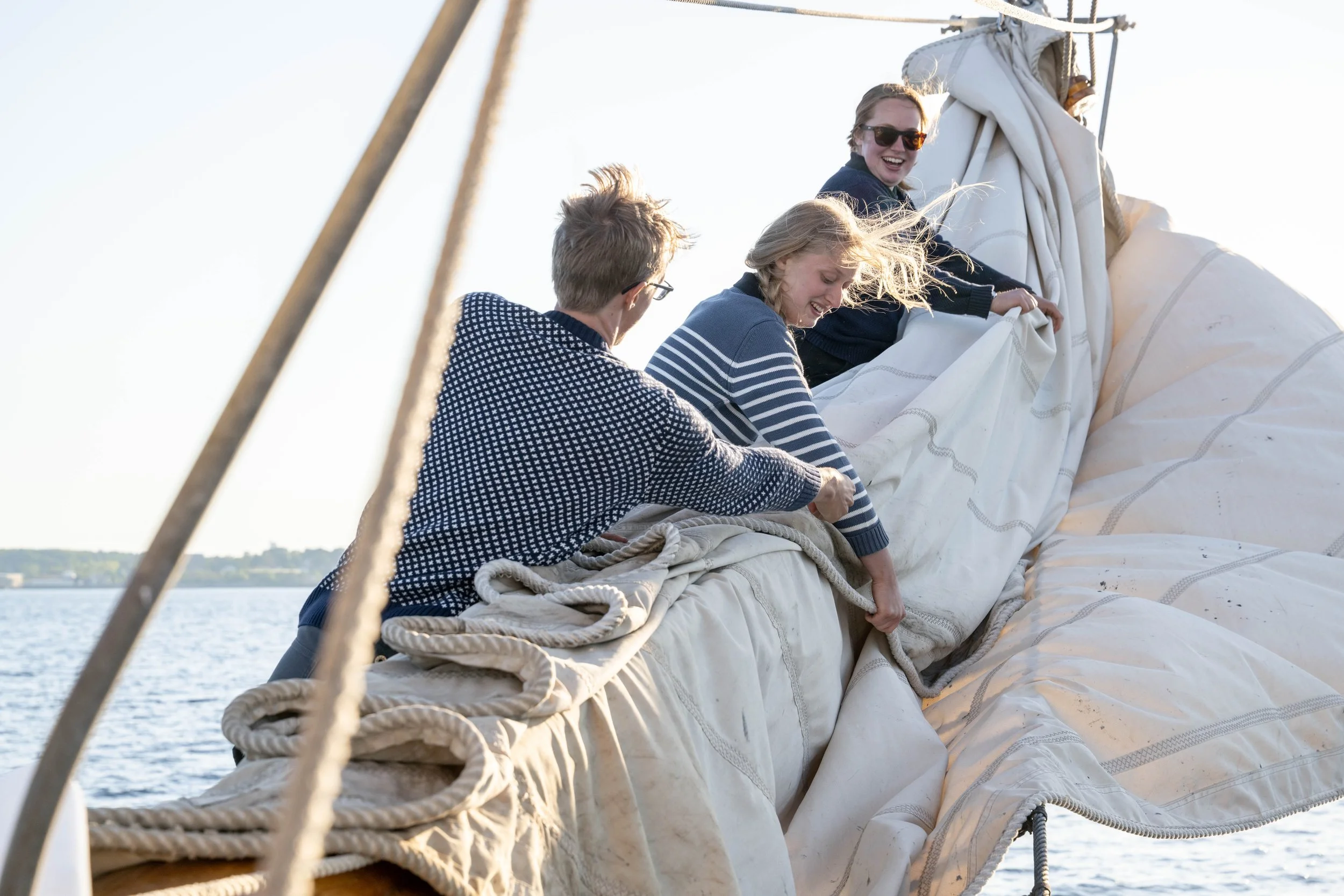
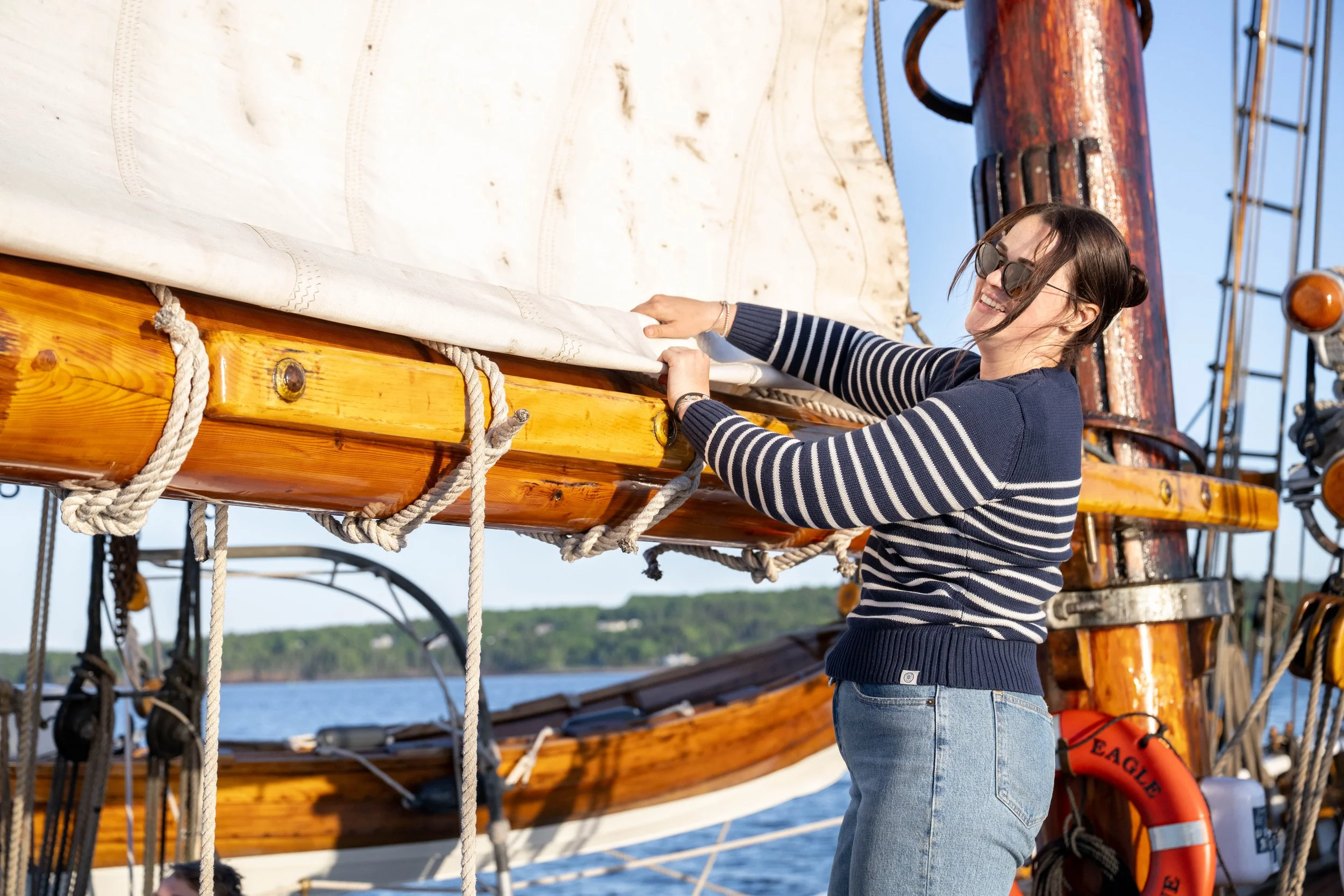
The engine noise and activity of the harbor gave way to the sound of water against the hull, canvas filling overhead, and the crew working the lines. We watched sails go up, lent a hand around the deck, and settled into the rhythm of an old wooden schooner moving through the bay.
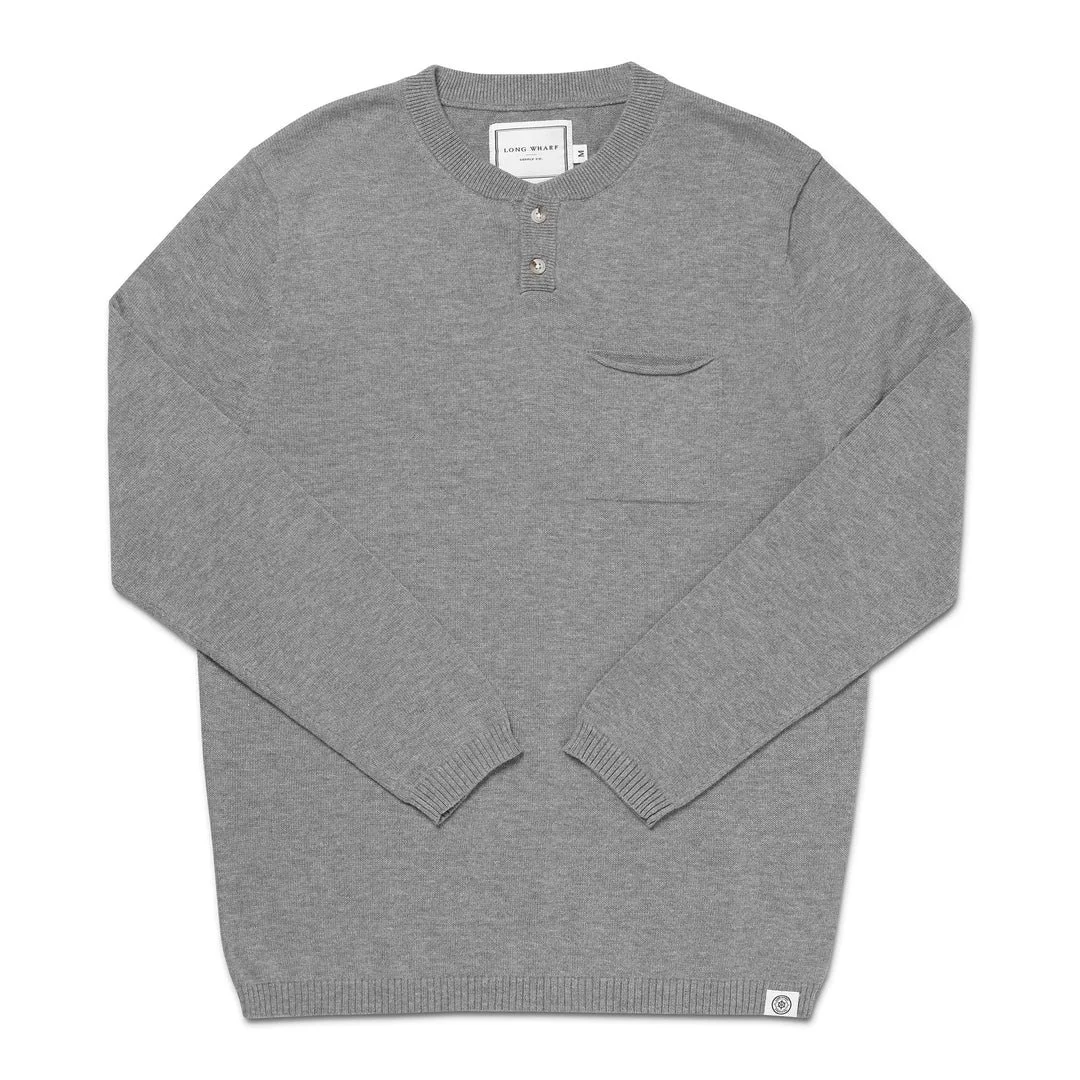
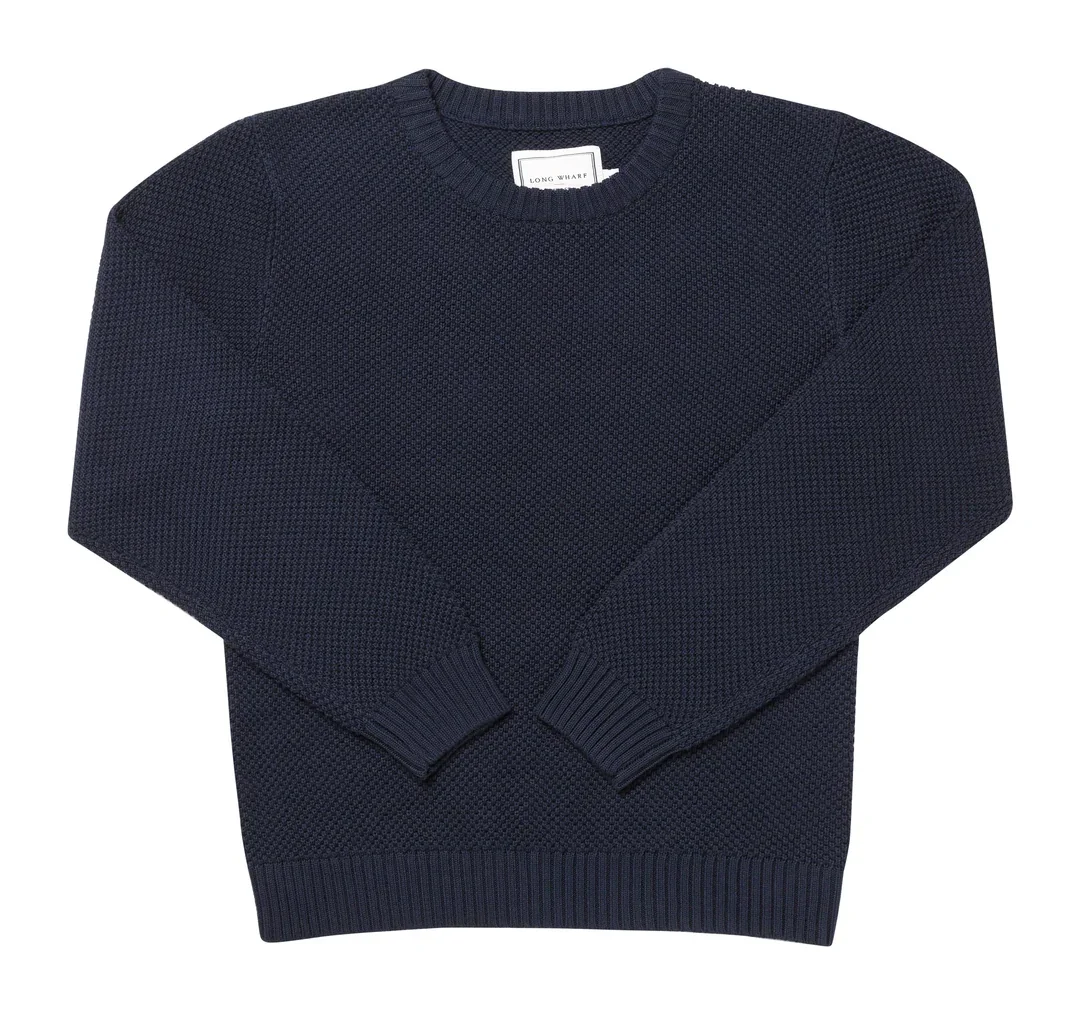
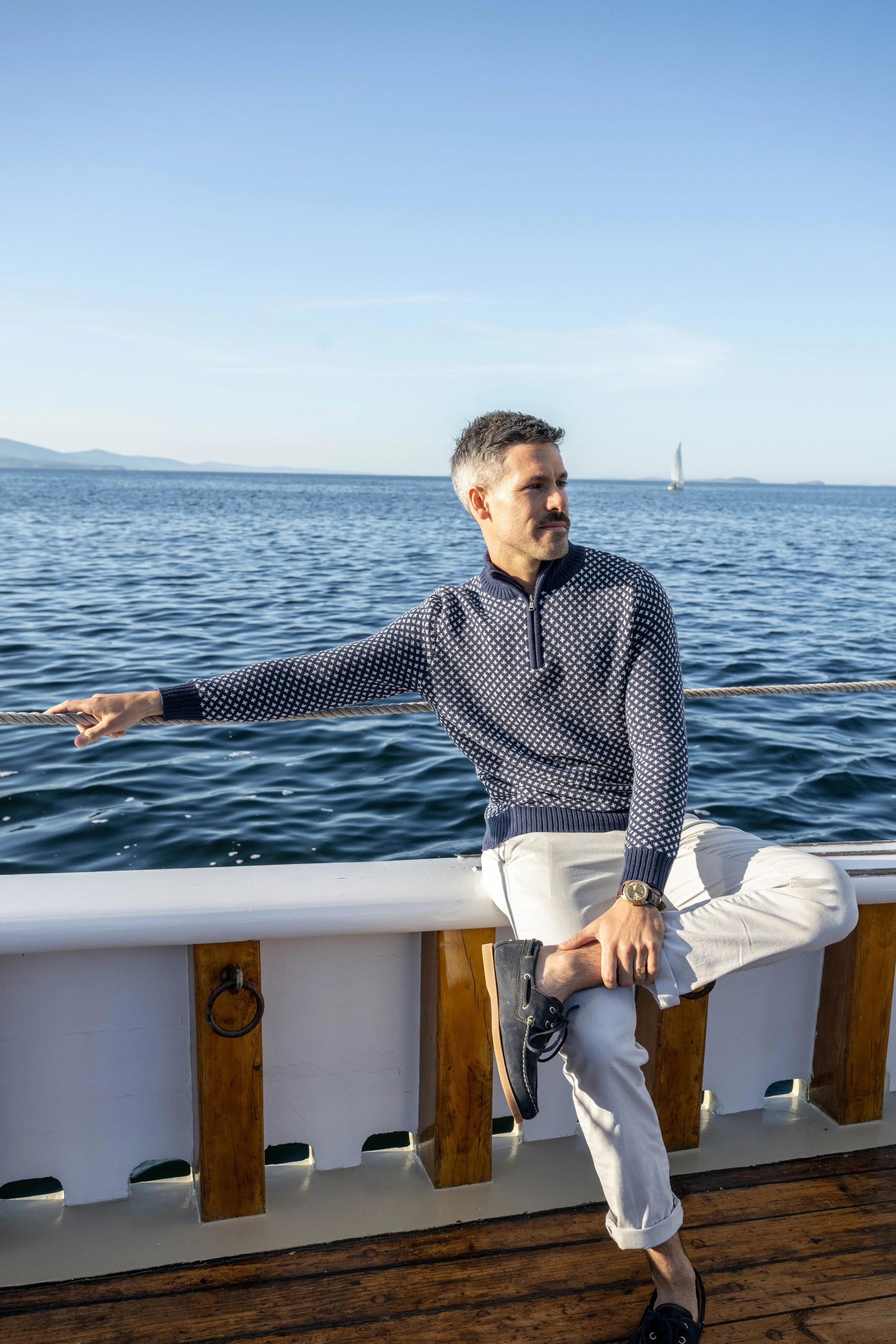
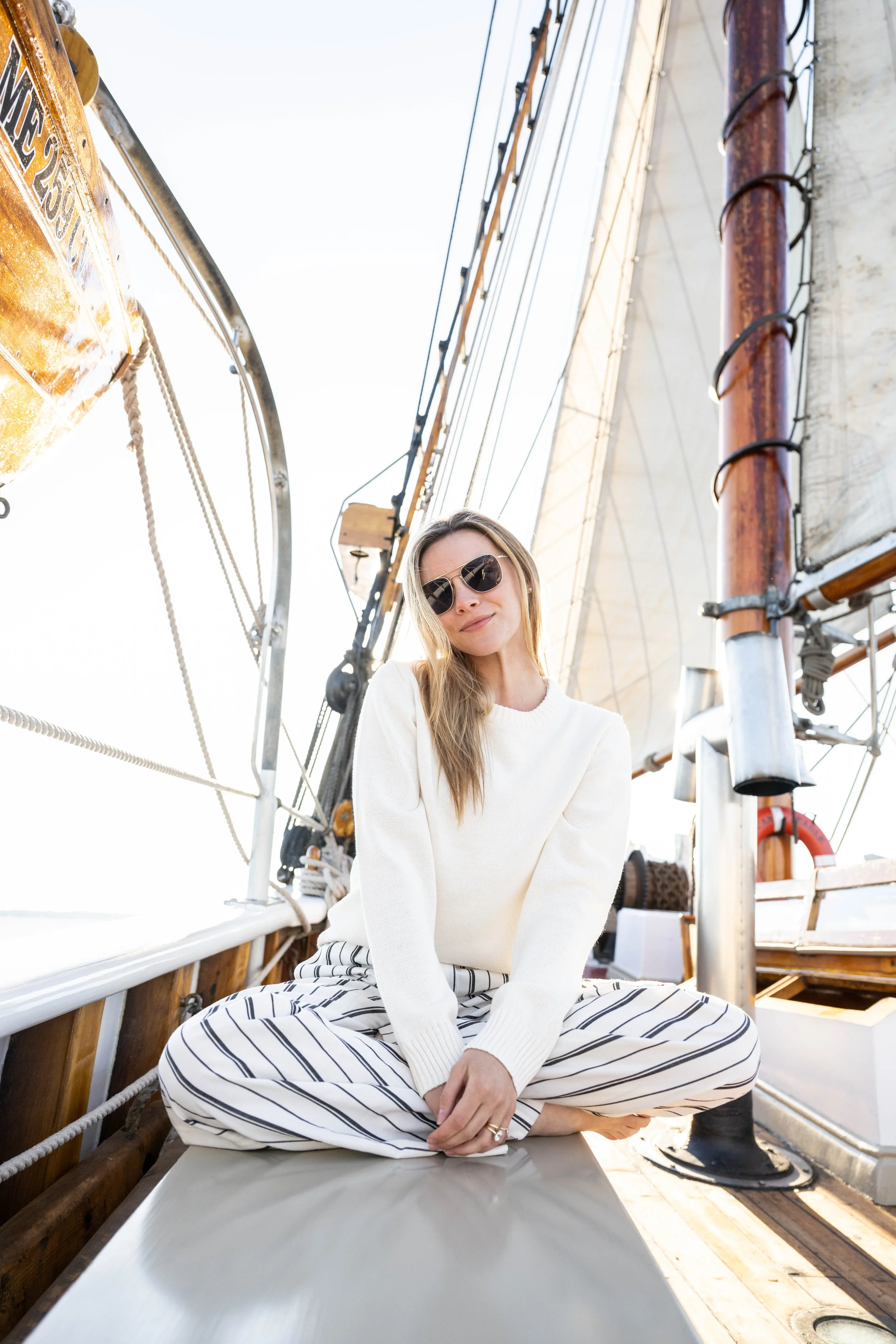
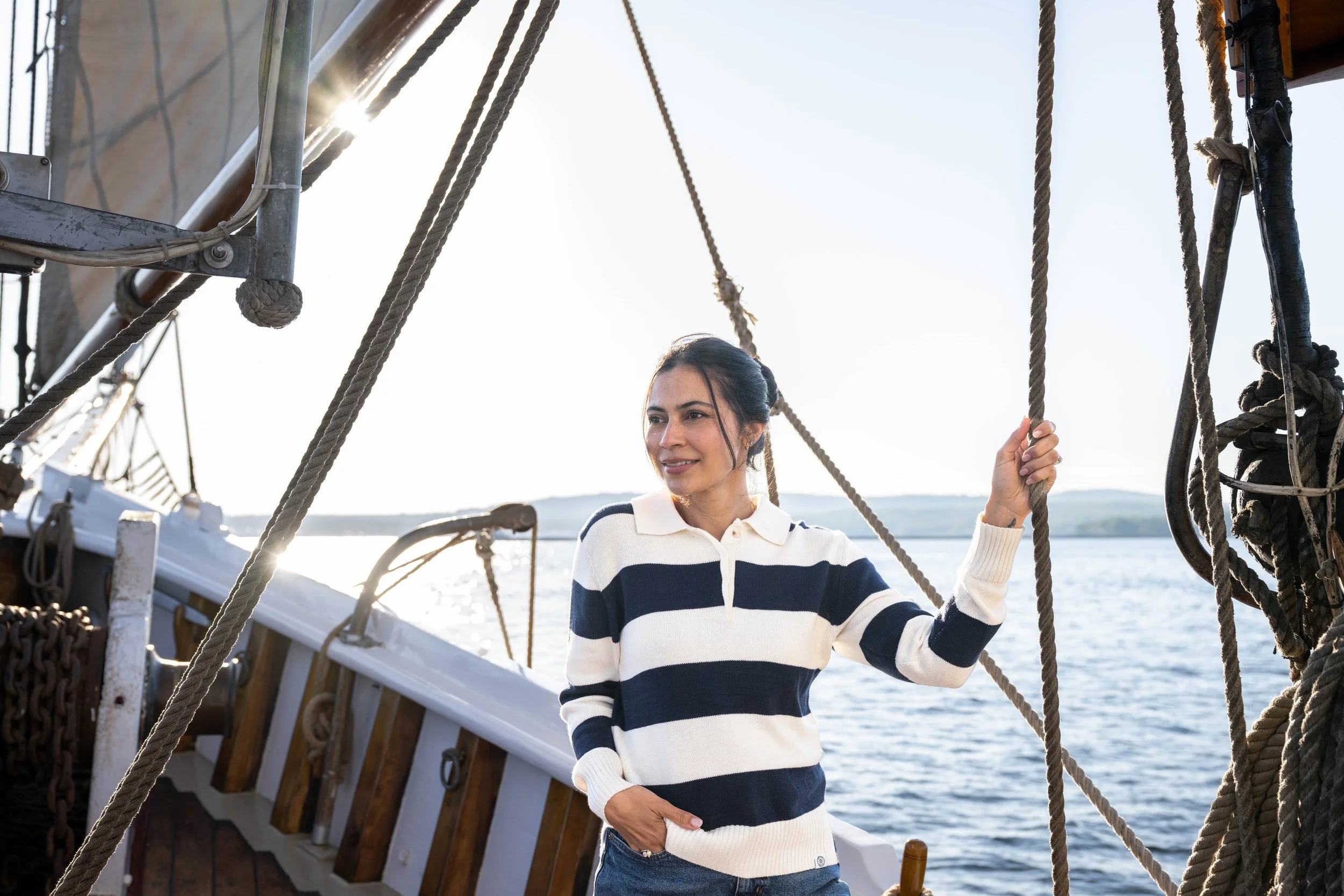
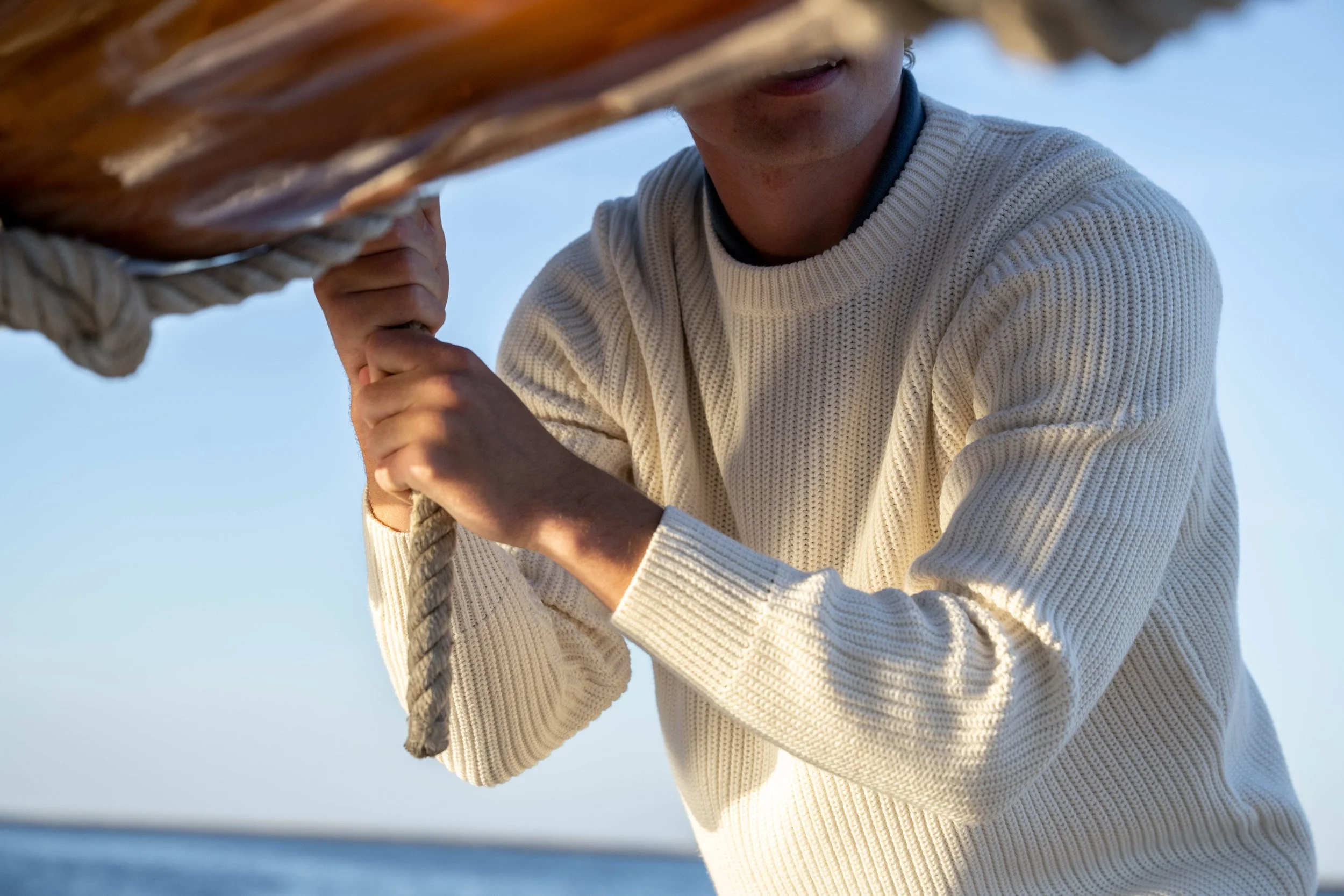
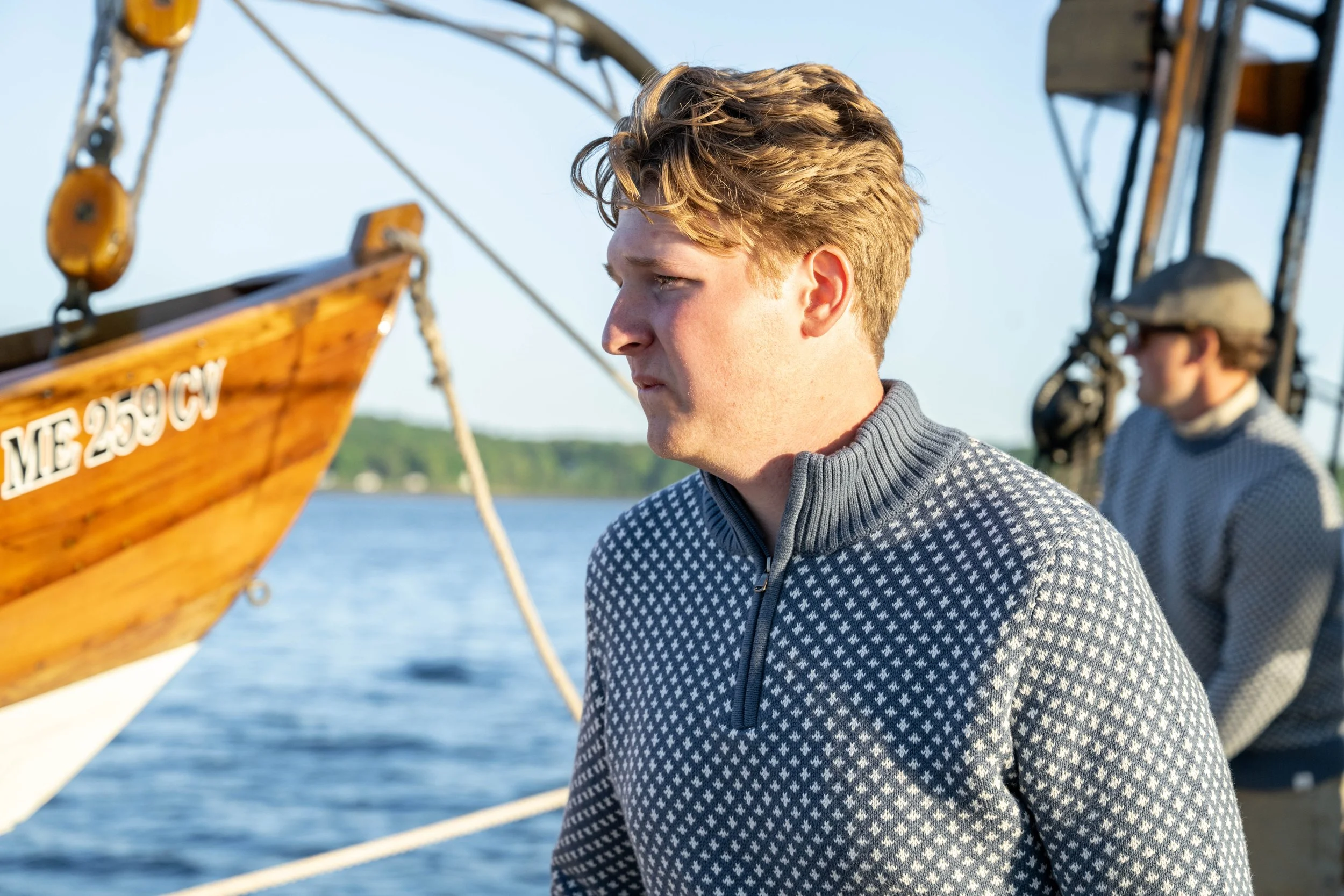
We brought along pieces from Long Wharf that felt especially at home aboard American Eagle—textured knits, coastal stripes, quarter-zips, and easy layers designed with days on the New England coast in mind.
Against the schooner's warm woodwork, cream canvas and deep Atlantic blue, everything seemed to make a little more sense.
Keeping Maritime Traditions Alive
One of the things we loved most about the day was watching the crew work.
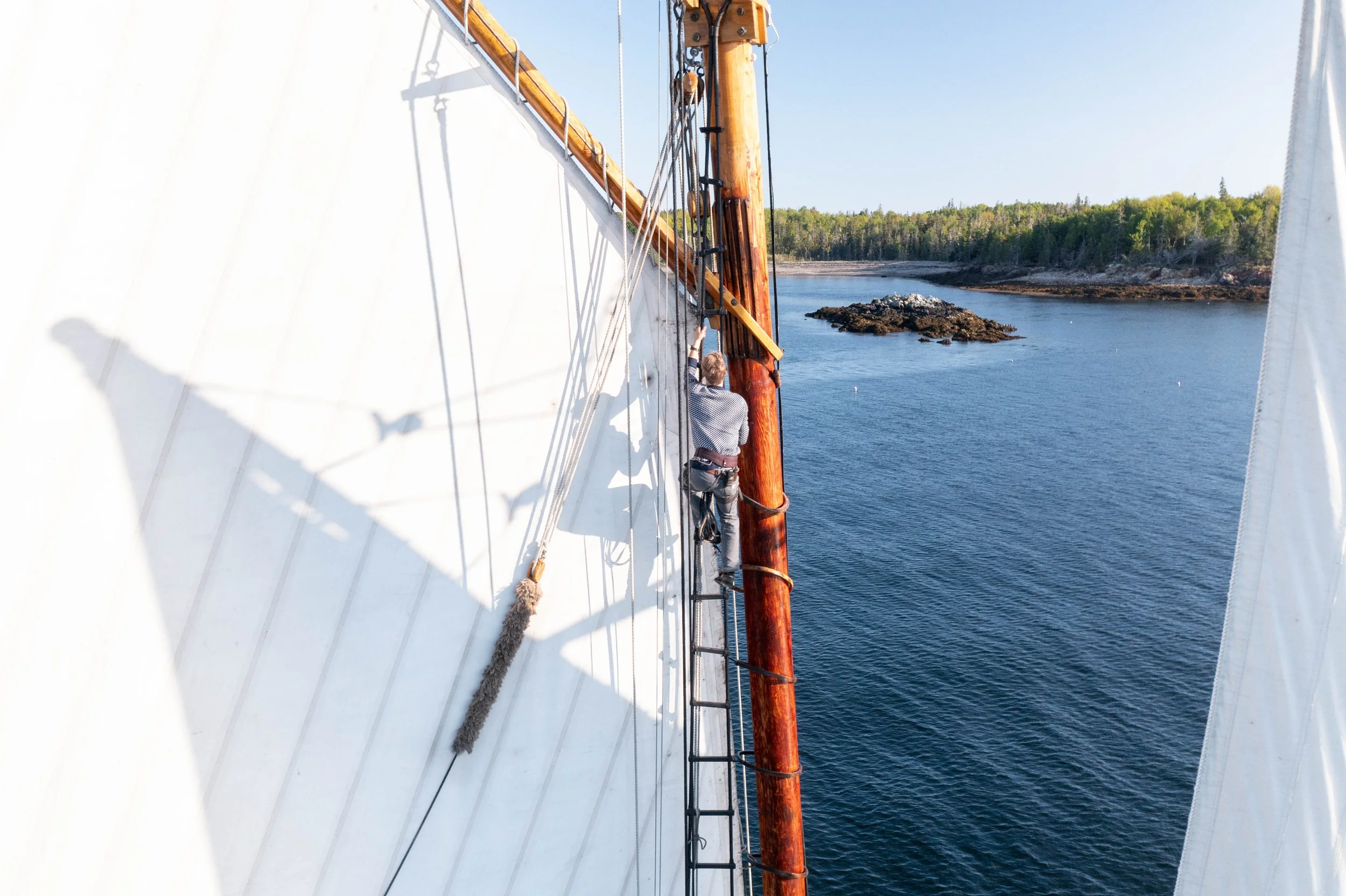
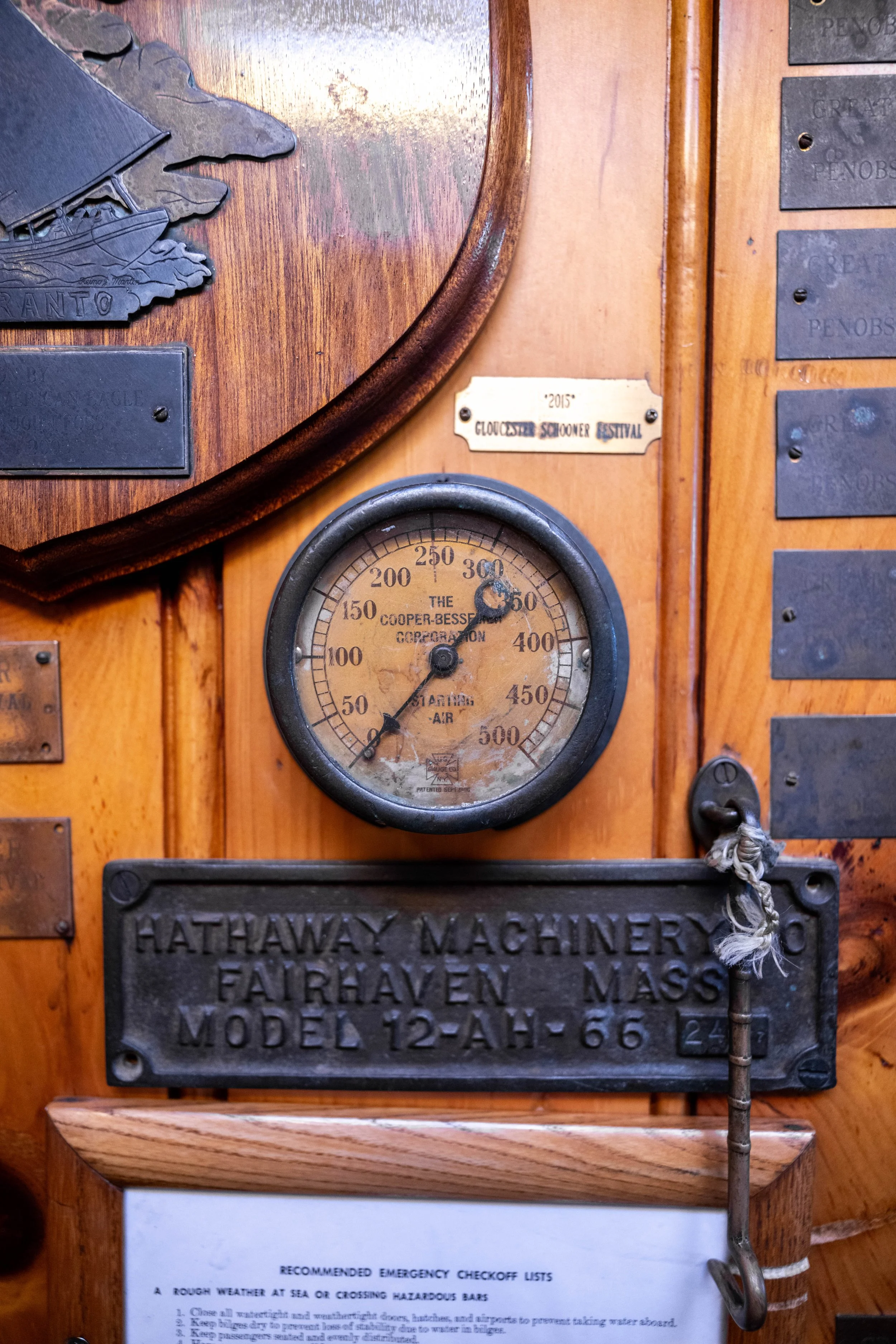
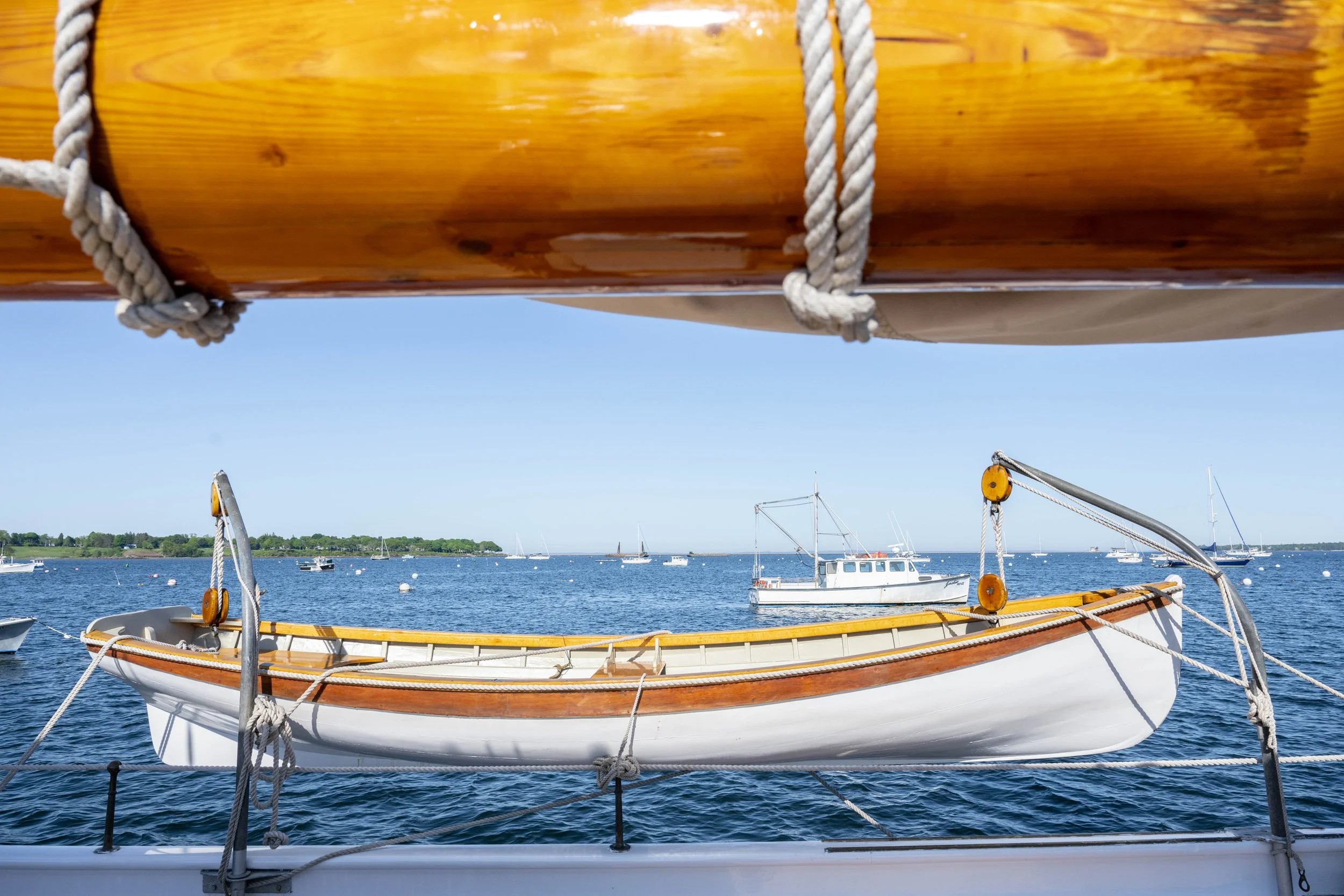
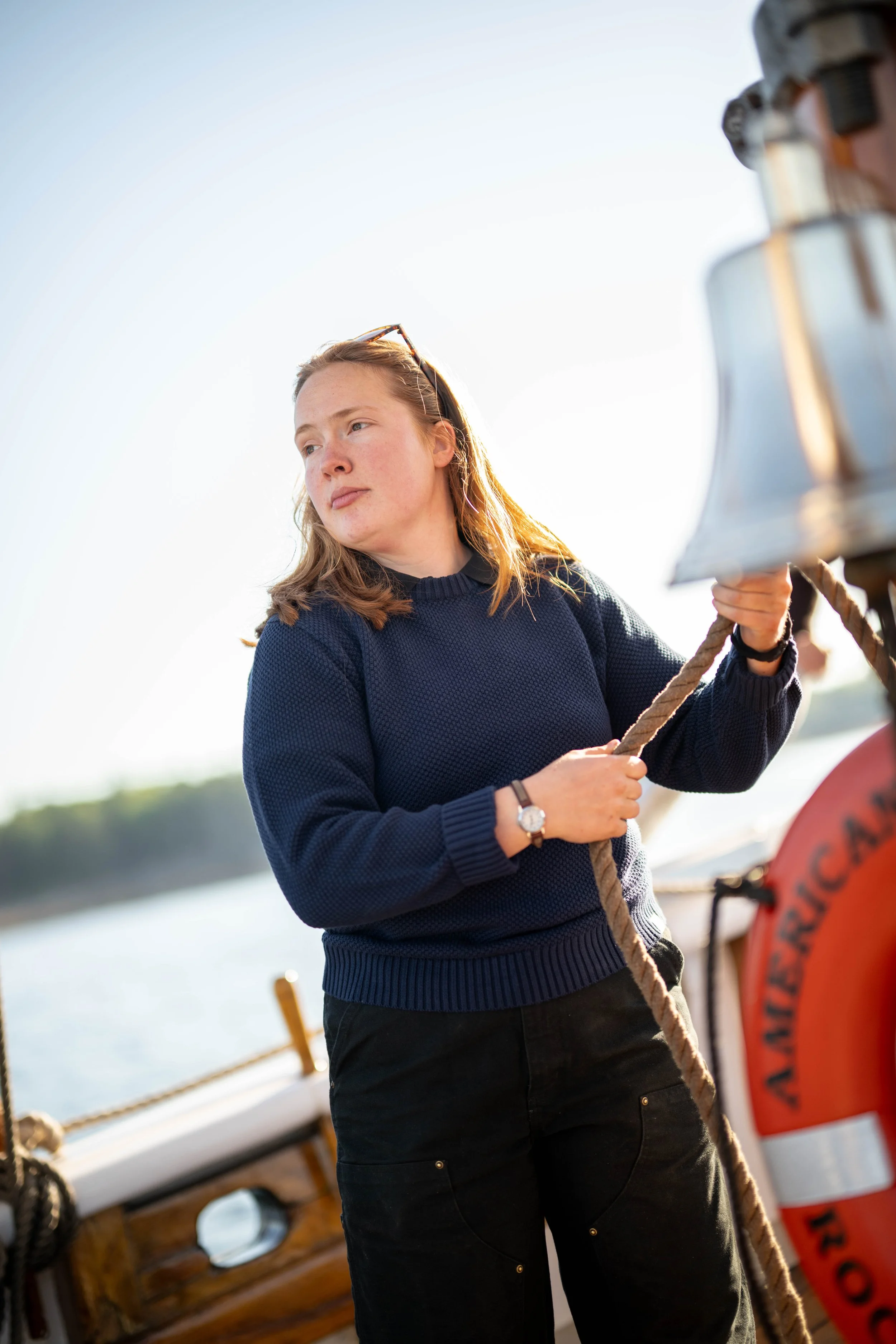
There is something refreshingly physical about sailing a schooner like this. Lines are hauled by hand. Canvas is raised and lowered. Blocks, spars and rigging aren't decorative details—they're tools that still have a job to do.
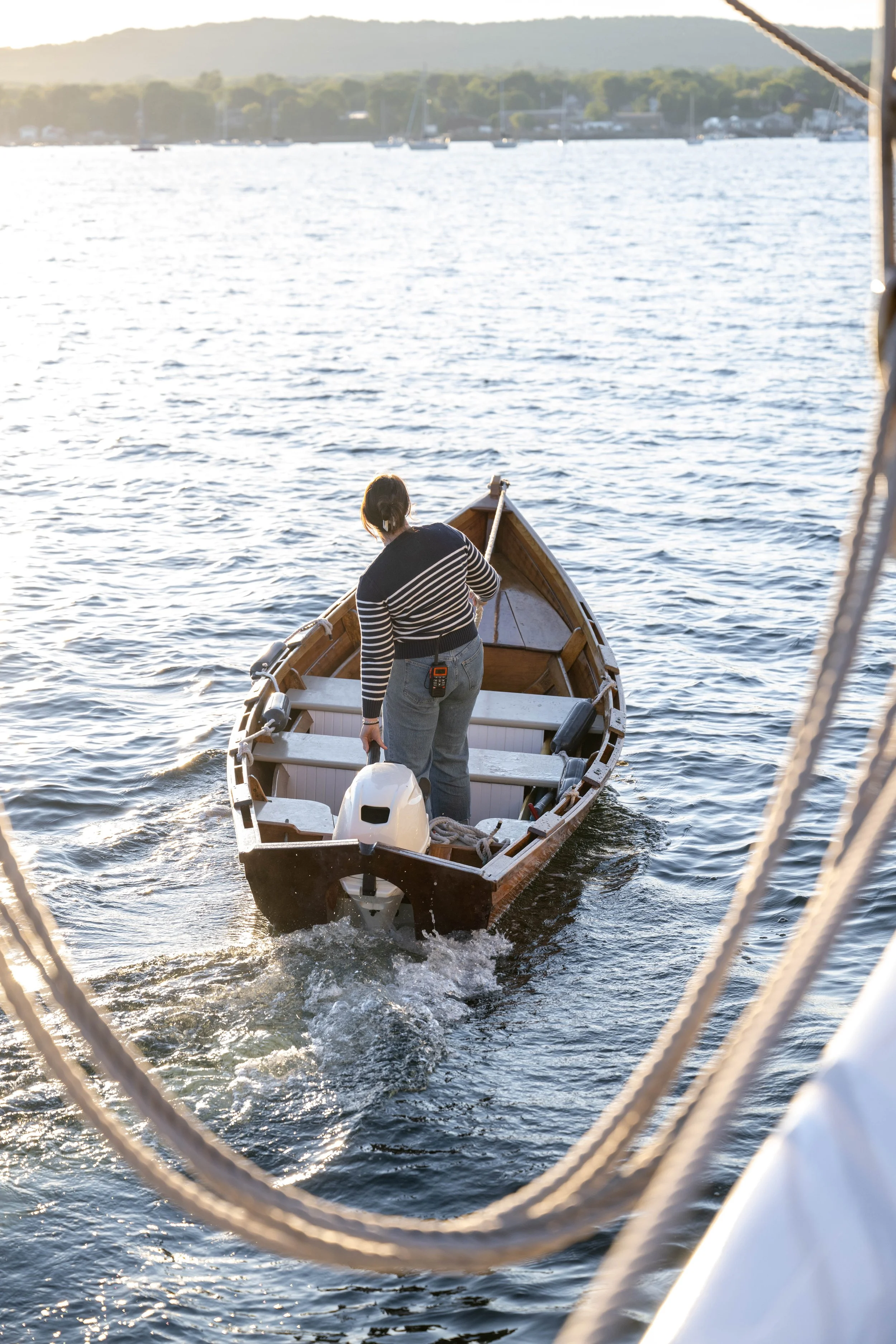
American Eagle even carries traditional small boats connected to New England's maritime past, including an Amesbury skiff built at Lowell's Boat Shop in Massachusetts.
That combination of preservation and continued use resonates deeply with us. Maritime heritage survives best when it isn't simply put behind glass, but kept working—sailed, repaired, learned from and passed along.
Somewhere Off Rockland
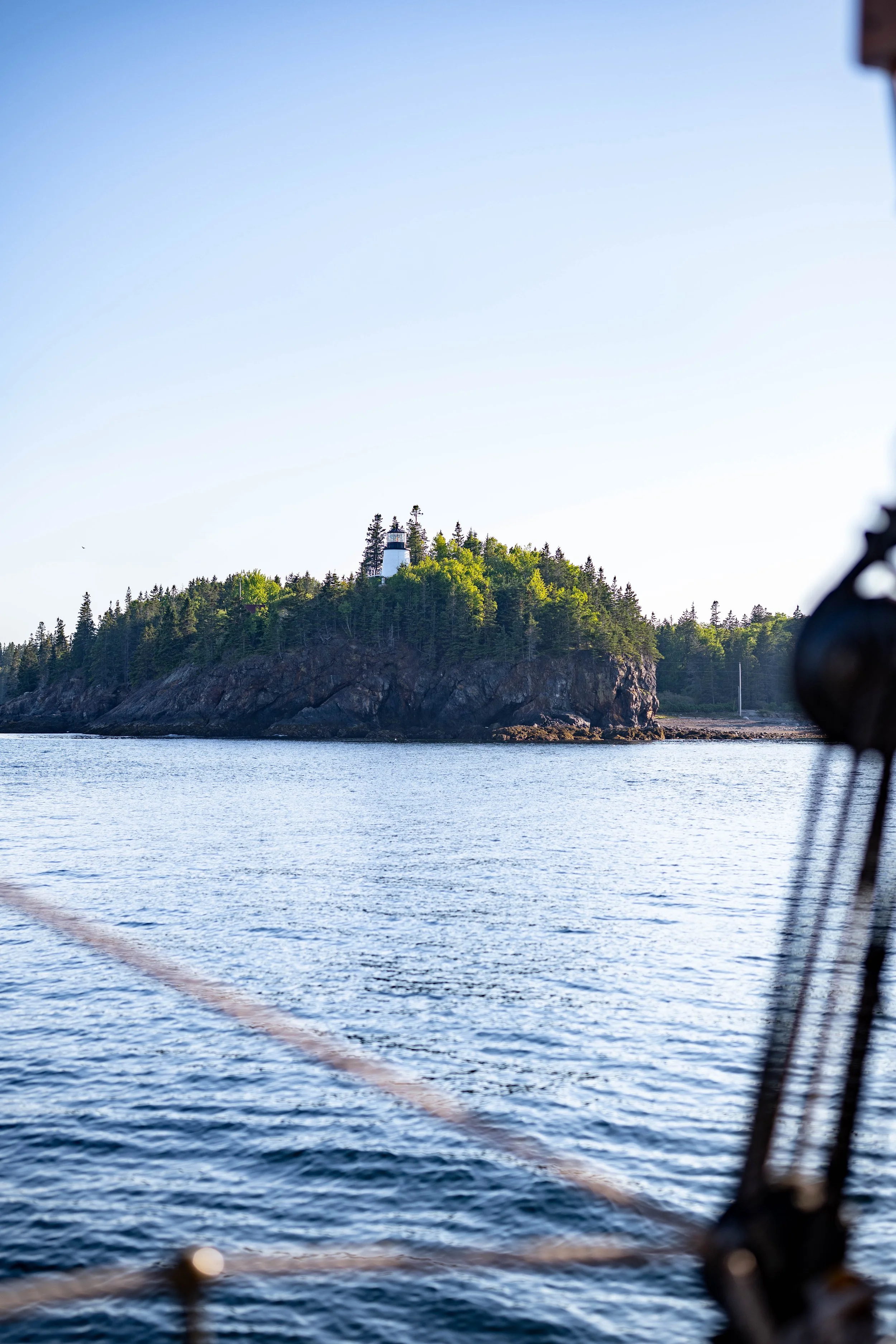
By late afternoon, the light had shifted across the deck. The varnished wood turned golden, the water deepened to navy, and the Maine coastline stretched out in the distance.
There wasn't much else we needed.
Days like this are a reminder of why the coast continues to shape Long Wharf Supply. It's not simply the familiar coastal colors or old photographs of fishermen and schooners. It's the way of life surrounding them: things built well, made useful, cared for over time and meant to gather a few stories along the way.
A huge thank you to Capt. Tyler and the incredible crew of the Schooner American Eagle for having us aboard and for continuing to keep one of New England's great maritime traditions under sail. We can’t wait to come back!
To learn more about American Eagle or to book a charter visit their site here.